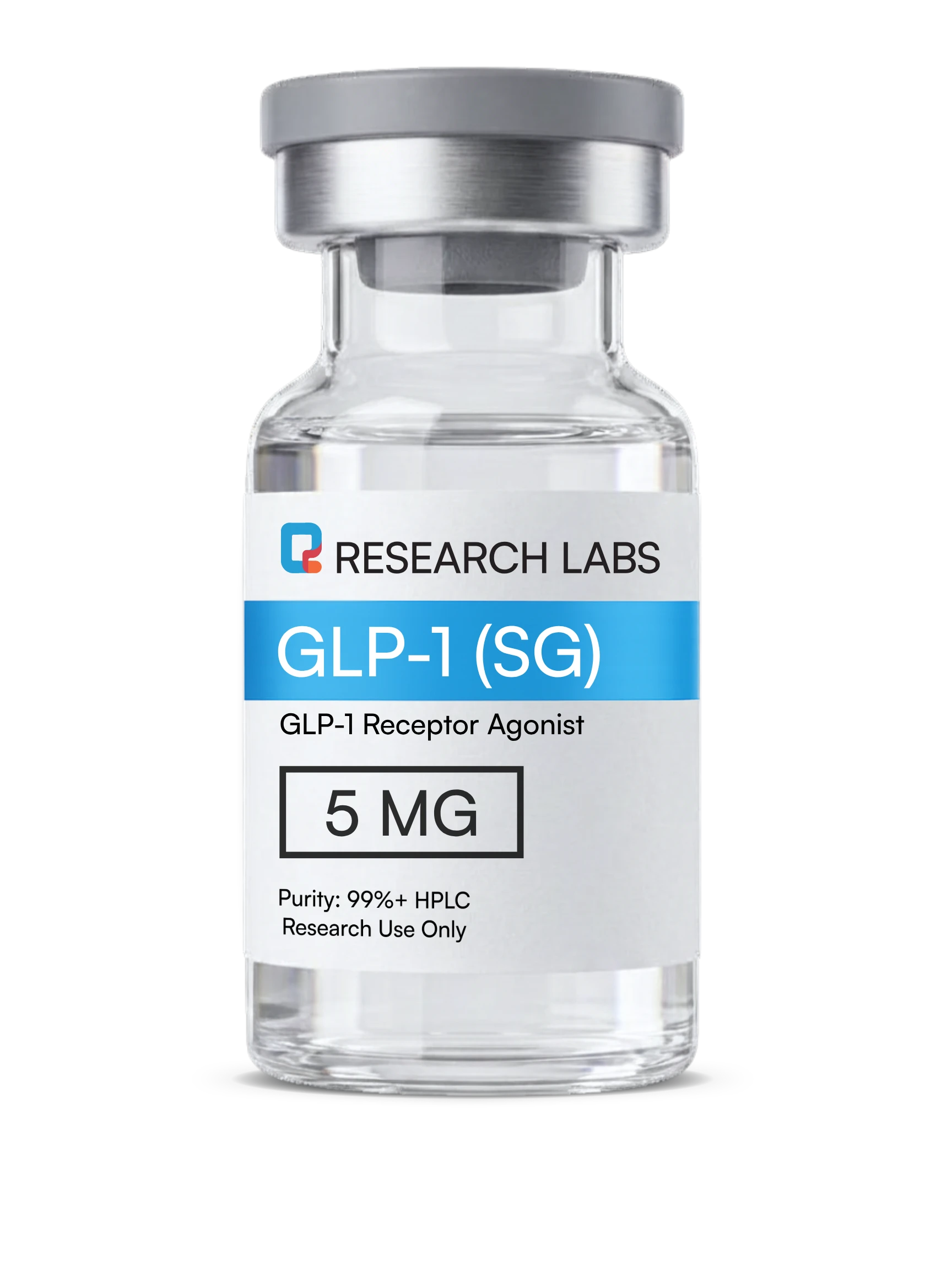
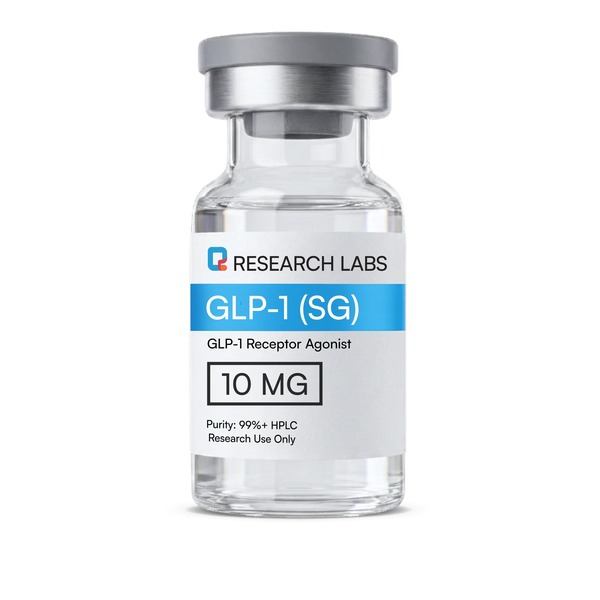
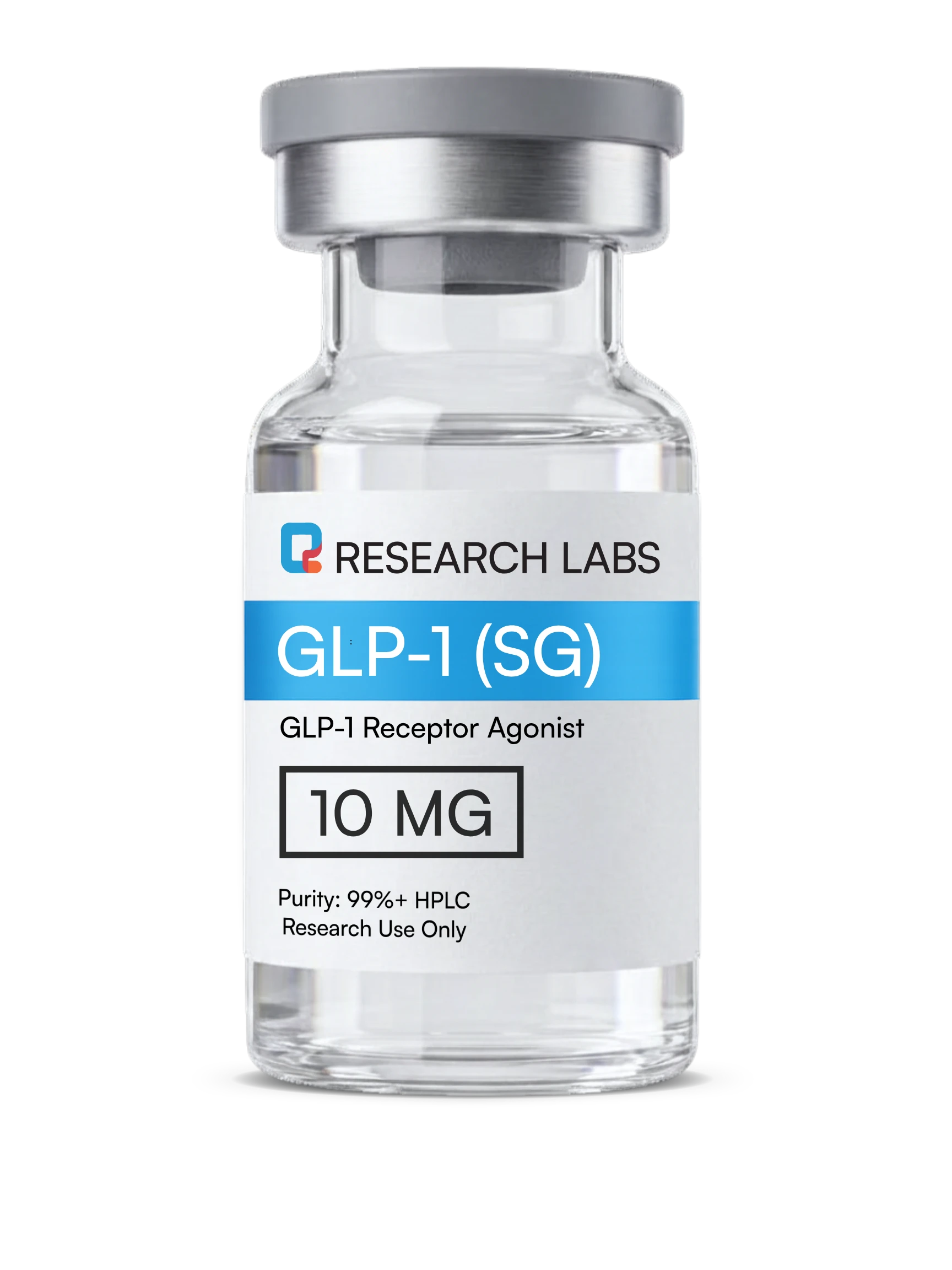
GLP-1 (SG)
GLP-1 Receptor Agonist
Category: GLP / Metabolic Research
CAS: 910463-68-2
Formula: C187H291N45O59
M.W.: 4113.5751 g/mol
Purity: 99%+ HPLC Verified
Ref No.:G1S-0005VI
Ref No.:G1S-0010VI
For Research Use Only (RUO)
Not for human or veterinary use.
Why Research Labs
-
Buy With Confidence
COA links, HPLC data, and transparent pricing on every product page.
-
Fair Pricing, Higher Standards
Transparent, competitive pricing without compromising the quality standards behind every batch.
-
Independently Tested
Verified at 99%+ purity and sterility by third-party labs.
-
Shipped Same Day
Order by 12 PM PT for guaranteed same-day shipping and tracking.
GLP-1 (SG) Research Peptide: High-Purity Laboratory Grade Compound
Category
GLP / Metabolic Research
CAS Number
910463-68-2
Form Factor
Lyophilized Powder
In stock - Free shipping for subscriptions
Ships today before 12 PM PT
Products are shipped in lyophilized powder form.
Accepted payments





GLP-1 (SG) is a GLP-1 receptor agonist studied in laboratory research as a mimetic of the incretin hormone glucagon-like peptide-1. Research examines its interaction with glucose-dependent insulin-secretion pathways, glucagon-related signaling, gastric-emptying mechanisms, and central appetite-regulation-related signaling, including emerging neuroprotective and anti-inflammatory research areas, in animal models. For laboratory research use only.
Description
GLP-1 (SG) is a GLP-1 receptor agonist studied in laboratory research as a mimetic of the incretin hormone glucagon-like peptide-1. Research examines its interaction with glucose-dependent insulin-secretion pathways, glucagon-related signaling, gastric-emptying mechanisms, and central appetite-regulation-related signaling, including emerging neuroprotective and anti-inflammatory research areas, in animal models. For laboratory research use only.Chemical Information
CAS Number
910463-68-2
Purity
99%+ HPLC Verified
Molecular Formula
C187H291N45O59
Molar Mass
4113.5751 g/mol
Form Factor
Lyophilized Powder
Synonyms
Frequently Asked Questions
No FAQs for GLP-1 (SG).
Storage Conditions
Unreconstituted
Store at -20°C to 4°C (freezer or refrigerator). Stable for 24+ months.
Reconstituted
Refrigerate at 2–8°C. Use within 30 days for optimal stability.
Avoid
Repeated freeze-thaw cycles, direct sunlight, and temperatures above 25°C.
Safety & Compliance
- Wear nitrile gloves and safety goggles when handling research compounds.
- Work in a clean, controlled environment (laminar flow hood recommended).
- Dispose of sharps and used materials in approved biohazard containers.
- This product is for laboratory research use only (RUO) — not for human or veterinary use.
Quality Assurance Standards
Each production lot is subjected to rigorous analytical evaluation to meet pharmaceutical-grade specifications. Full testing results and procedural documentation are furnished through the accompanying Certificate of Analysis (COA) with every shipment.
Certificate of Analysis
Latest COA for GLP-1 (SG) — independently tested via HPLC and Mass Spectrometry.
Testing Methodology
Every batch undergoes a multi-stage analytical pipeline before release. Results are compiled into the Certificate of Analysis (COA) included with each order.
- • HPLC — High-Performance Liquid Chromatography confirms peptide purity ≥98%.
- • Mass Spectrometry — Validates molecular identity and correct sequence.
- • Endotoxin (LAL) — Limulus Amebocyte Lysate assay ensures endotoxin levels are within safe limits.
- • Sterility — Microbial contamination testing per USP standards.
Learn More About Peptides
Explore our research library covering purity, synthesis, storage, solubility, and more.
Research Database
Browse peer-reviewed studies, clinical trials, and scientific sources behind our peptide resources.
Why Research Labs
-
Buy With Confidence
COA links, HPLC data, and transparent pricing on every product page.
-
Fair Pricing, Higher Standards
Transparent, competitive pricing without compromising the quality standards behind every batch.
-
Independently Tested
Verified at 99%+ purity and sterility by third-party labs.
-
Shipped Same Day
Order by 12 PM PT for guaranteed same-day shipping and tracking.
Related Research Compounds and Peptide Catalogs
-
 $14.99 — or subscribe and save 10%
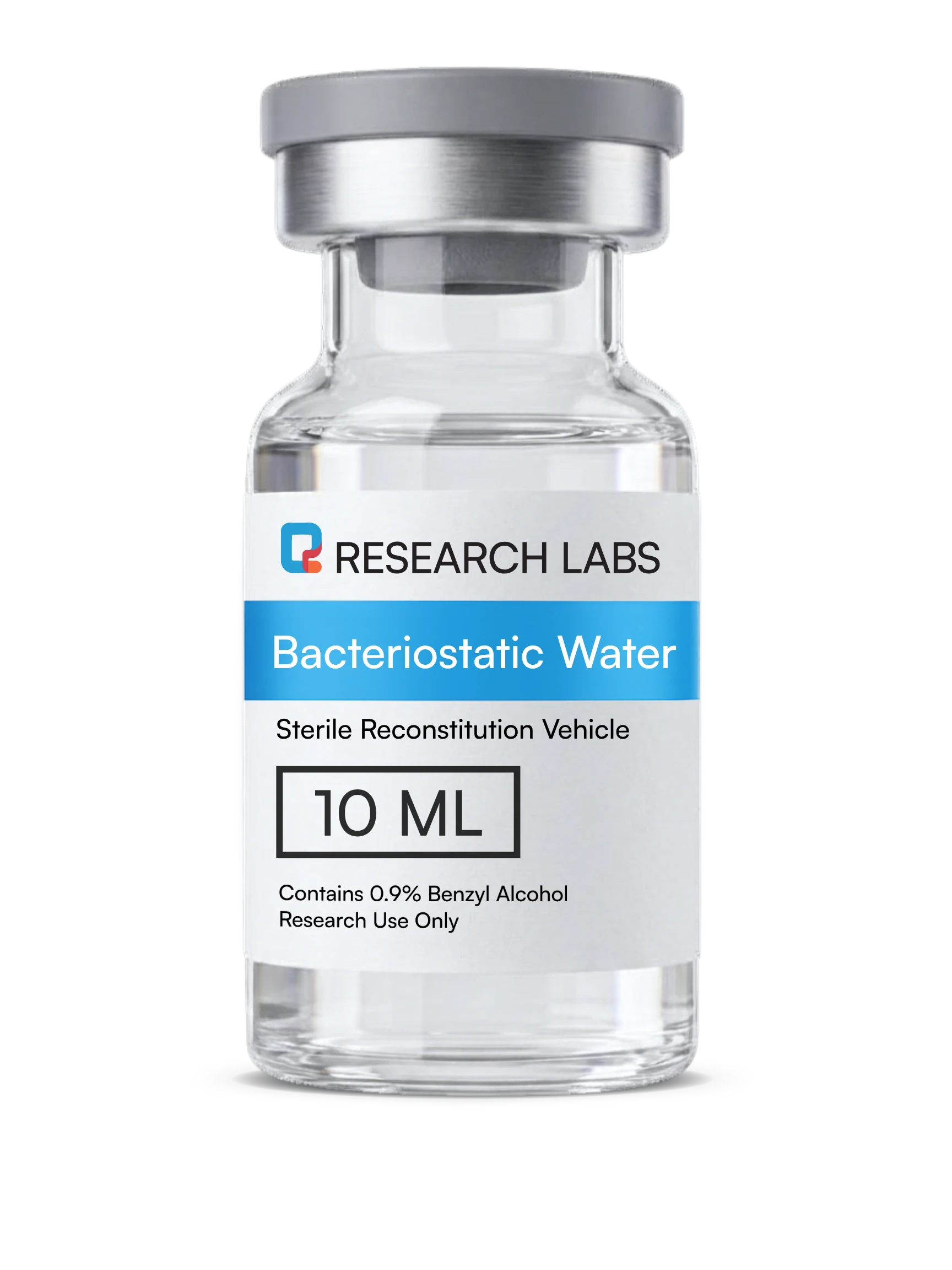
Bacteriostatic Water
GH / Neuro / Misc ResearchThis product has multiple variants. The options may be chosen on the product page View Details -
 $46.99 — or subscribe and save 10%
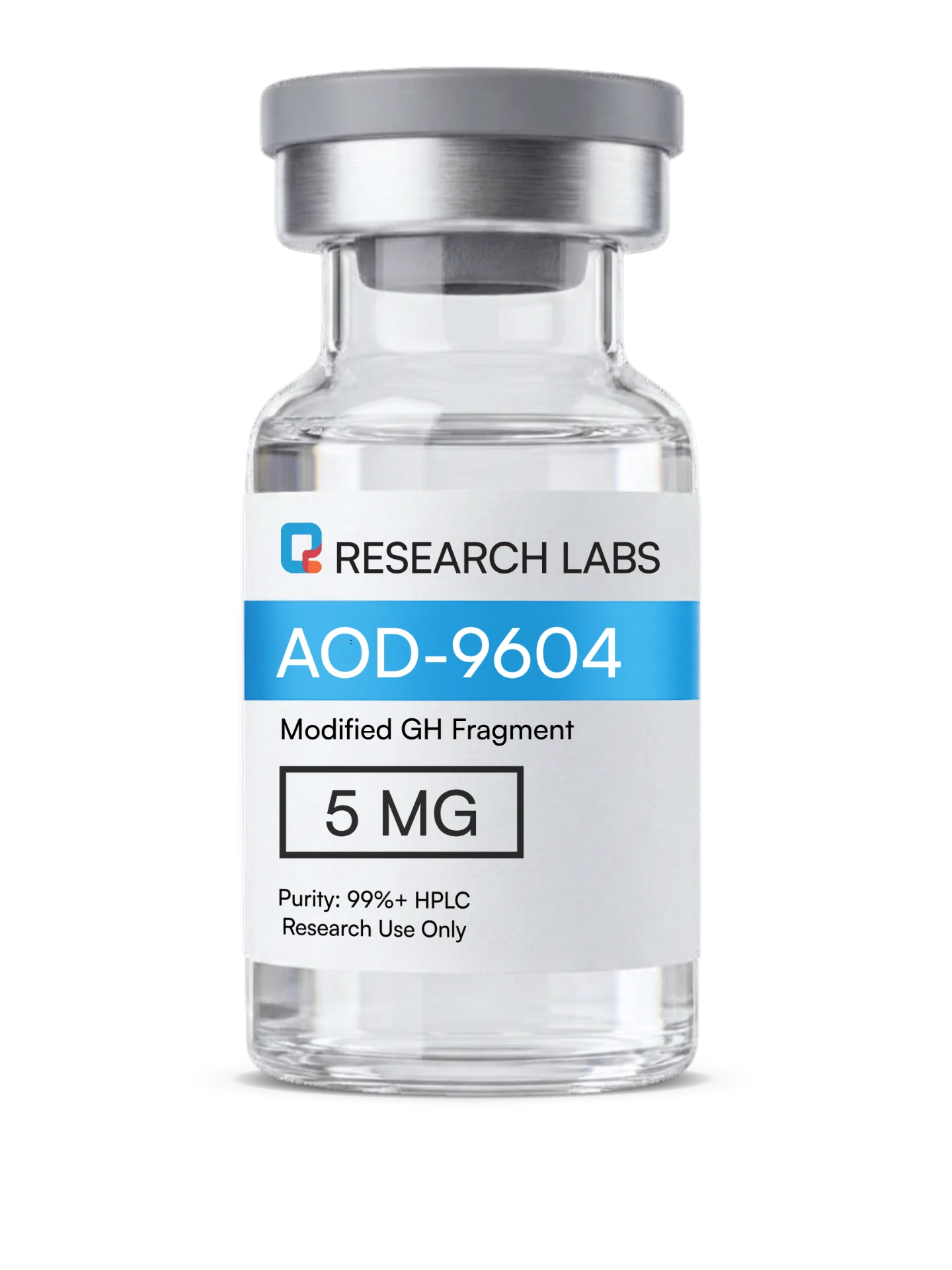
AOD-9604
GLP / Metabolic ResearchThis product has multiple variants. The options may be chosen on the product page View Details -
 $32.99 – $48.99 — or subscribe and save 10%
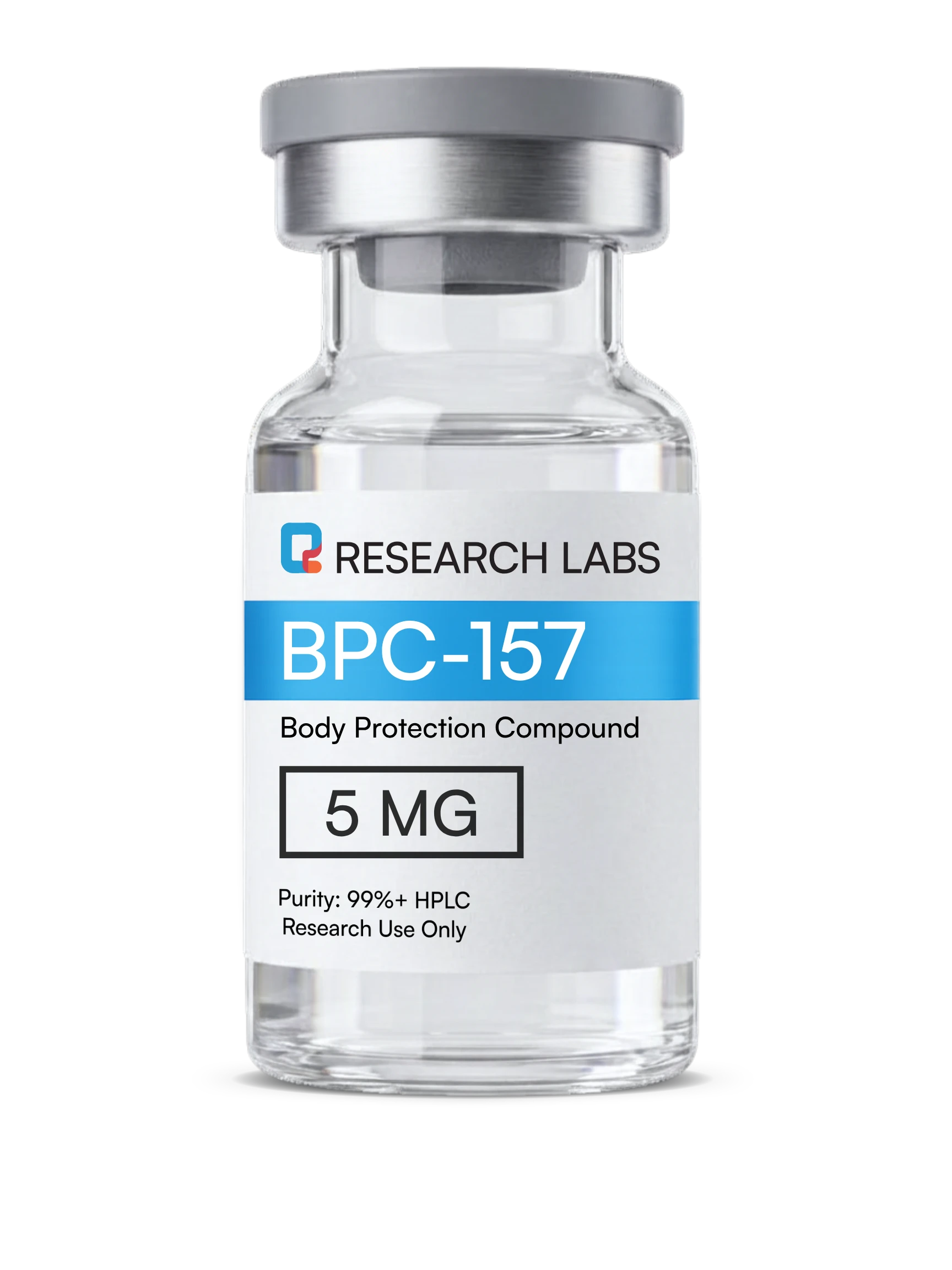
BPC-157
Regenerative ResearchThis product has multiple variants. The options may be chosen on the product page View Details -
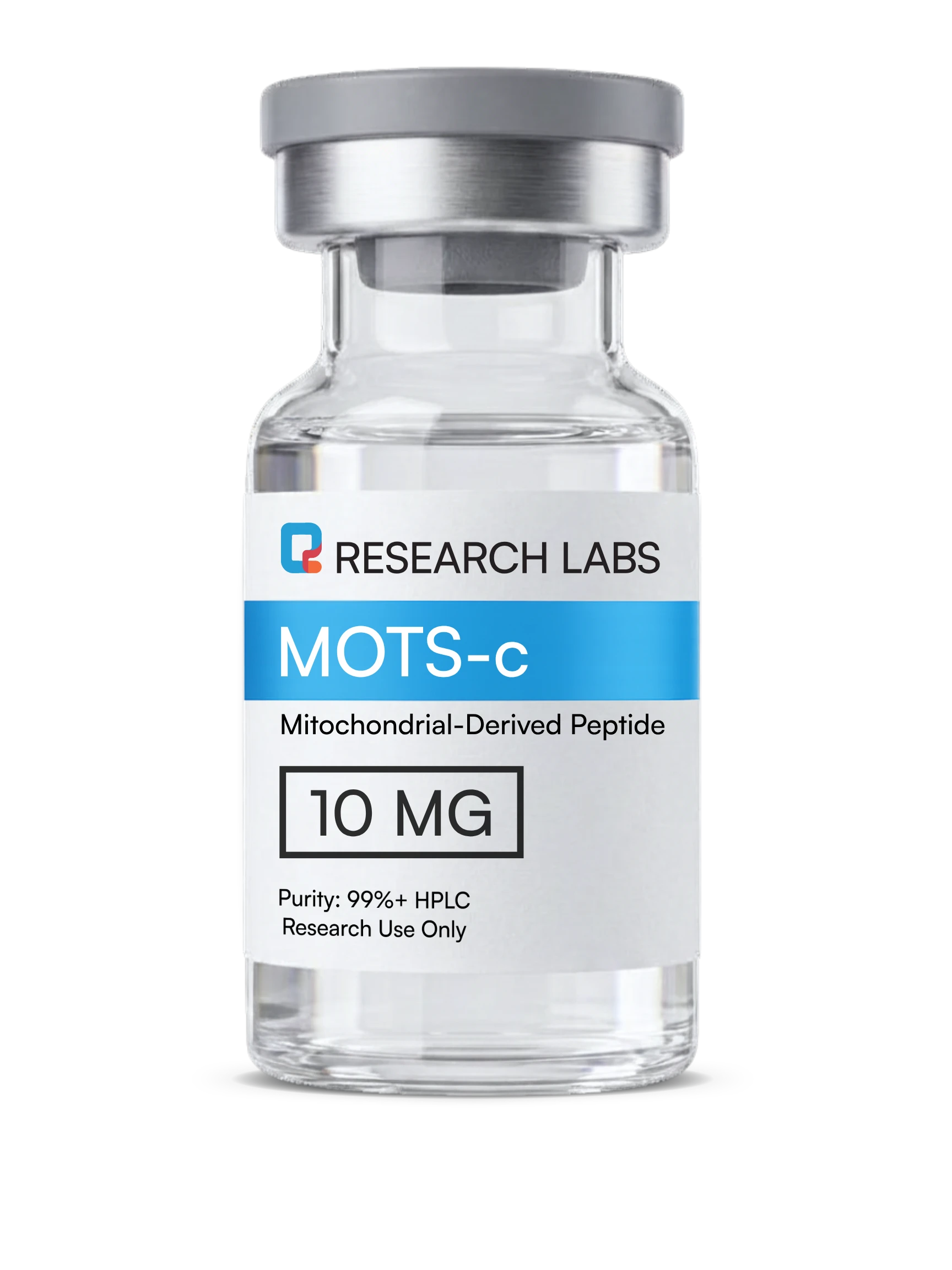 $53.99 — or subscribe and save 10%
MOTS-c
GLP / Metabolic ResearchThis product has multiple variants. The options may be chosen on the product page View Details -
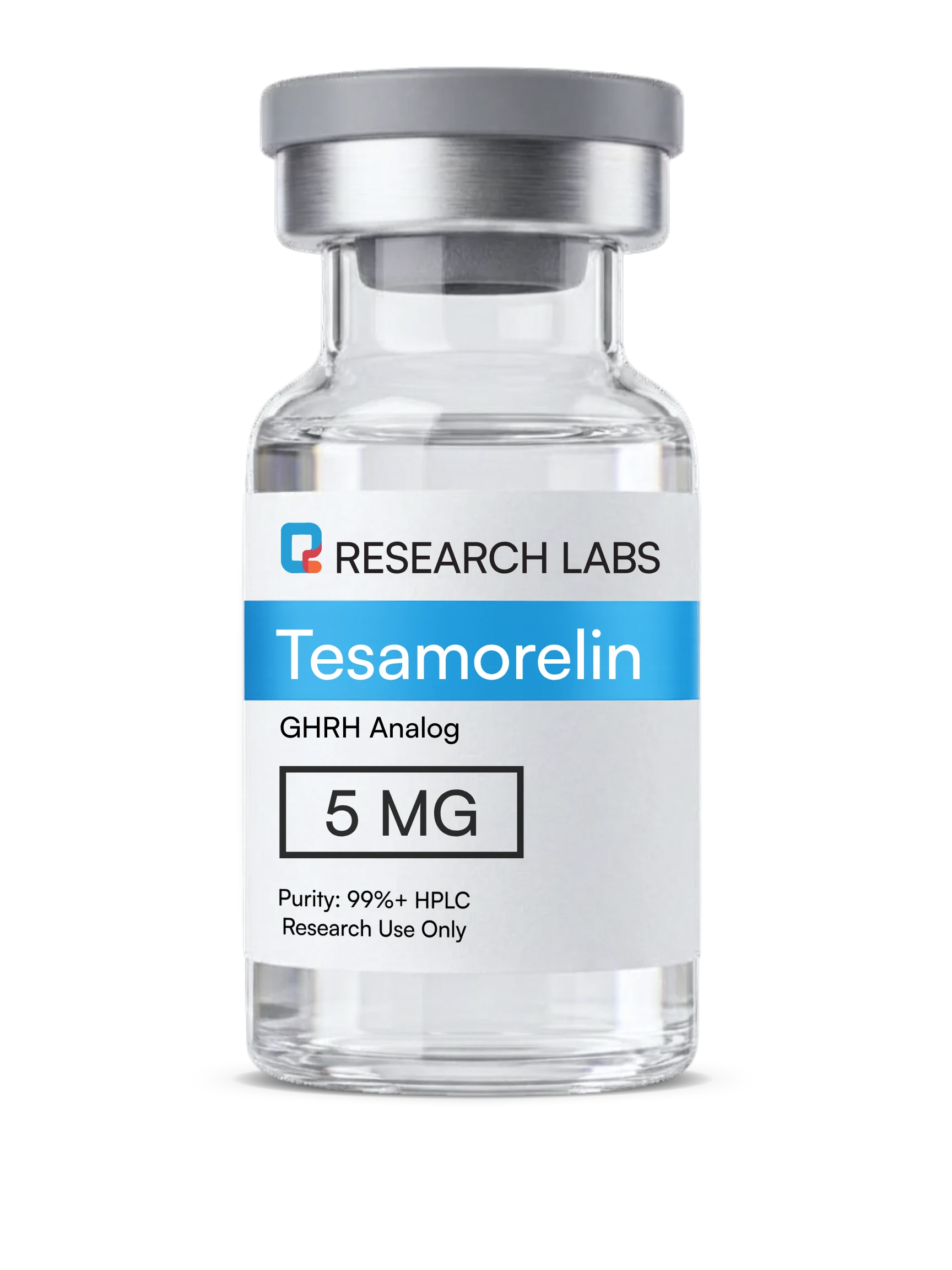 $59.99 – $89.99 — or subscribe and save 10%
Tesamorelin
GH / Neuro / Misc ResearchThis product has multiple variants. The options may be chosen on the product page View Details
For Research
For Mitochondrial metabolic function Research
For Complementary fat metabolism Research
For Visceral fat reduction & GH support Research
For GI protective support Research
Note: Consider GI tolerance when combining with other peptides affecting gastric motility.
Description
GLP-1 (SG) is a GLP-1 receptor agonist studied in laboratory research as a mimetic of the incretin hormone glucagon-like peptide-1. Research examines its interaction with glucose-dependent insulin-secretion pathways, glucagon-related signaling, gastric-emptying mechanisms, and central appetite-regulation-related signaling, including emerging neuroprotective and anti-inflammatory research areas, in animal models. For laboratory research use only.Chemical Information
CAS Number
910463-68-2
Purity
99%+ HPLC Verified
Molecular Formula
C187H291N45O59
Molar Mass
4113.5751 g/mol
Form Factor
Lyophilized Powder
Synonyms
Frequently Asked Questions
No FAQs for GLP-1 (SG).
Storage Conditions
Unreconstituted
Store at -20°C to 4°C (freezer or refrigerator). Stable for 24+ months.
Reconstituted
Refrigerate at 2–8°C. Use within 30 days for optimal stability.
Avoid
Repeated freeze-thaw cycles, direct sunlight, and temperatures above 25°C.
Safety & Compliance
- Wear nitrile gloves and safety goggles when handling research compounds.
- Work in a clean, controlled environment (laminar flow hood recommended).
- Dispose of sharps and used materials in approved biohazard containers.
- This product is for laboratory research use only (RUO) — not for human or veterinary use.
Quality Assurance Standards
Each production lot is subjected to rigorous analytical evaluation to meet pharmaceutical-grade specifications. Full testing results and procedural documentation are furnished through the accompanying Certificate of Analysis (COA) with every shipment.
Certificate of Analysis
Latest COA for GLP-1 (SG) — independently tested via HPLC and Mass Spectrometry.
Testing Methodology
Every batch undergoes a multi-stage analytical pipeline before release. Results are compiled into the Certificate of Analysis (COA) included with each order.
- • HPLC — High-Performance Liquid Chromatography confirms peptide purity ≥98%.
- • Mass Spectrometry — Validates molecular identity and correct sequence.
- • Endotoxin (LAL) — Limulus Amebocyte Lysate assay ensures endotoxin levels are within safe limits.
- • Sterility — Microbial contamination testing per USP standards.
Learn More About Peptides
Explore our research library covering purity, synthesis, storage, solubility, and more.
Research Database
Browse peer-reviewed studies, clinical trials, and scientific sources behind our peptide resources.