Frequently Asked Questions
What are the criteria for selecting reputable sources for laboratory-grade peptides?
Reputable sources for laboratory-grade peptides are identified by rigorous third-party testing, comprehensive Certificates of Analysis (COAs), and transparent batch traceability.
What standards define high-purity research-grade peptides?
Standards that define high-purity research-grade peptides are: HPLC- and mass‑spectrometry-verified purity (typically ≥99%), third‑party COA, GMP-compliant manufacturing, batch traceability, and documented impurity/endotoxin specifications.
Why is third-party lab verification essential for research?
Third-party lab verification is essential for research: it provides independent confirmation of purity, identity, and potency (HPLC/Mass Spec), ensures batch traceability and reproducibility, and mitigates bias to meet scientific and regulatory standards.
How are peptide blends tested for chemical accuracy?
Peptide blends are tested for chemical accuracy by HPLC and LC‑MS assays with third‑party COAs, complemented by peptide mapping and amino‑acid analysis to quantify purity, confirm sequence, detect impurities, and ensure batch‑level traceability.
What role do COA reports play in research?
The role of COA reports in research is: to verify compound identity, purity, potency, and contaminants via HPLC and mass spectrometry, ensure batch traceability and reproducibility, and support data integrity and regulatory compliance.
How should researchers evaluate peptide purity levels?
Evaluating peptide purity levels involves: reviewing HPLC and MS data, confirming COA-verified percent purity and identity, assessing impurity profile and assay results, and verifying batch traceability and third-party testing prior to experimental use.
Why is HPLC testing important for scientific compounds?
The importance of HPLC testing for scientific compounds is: it provides accurate quantification, purity verification, impurity profiling and batch consistency essential for reproducible, regulatory-compliant research.
What defines a reliable source for experimental peptides?
A reliable source for experimental peptides is: a supplier providing COA and third-party HPLC/MS verification, GMP-compliant manufacturing, batch traceability, ≥99% purity specifications, clear research‑only labeling, SDS/technical data, and transparent sourcing with accessible customer support.
Are these peptide blends intended for clinical use?
These peptide blends are not intended for clinical use: they are supplied strictly for laboratory and research purposes only, not for human or veterinary administration, and are provided with COA and HPLC verification for legitimate research applications.
How do molecular specifications support valid research outcomes?
How molecular specifications support valid research outcomes: Precise characterization—purity, identity, molecular weight, CAS, HPLC and mass‑spec data—ensures reproducibility, accurate dosing, elimination of contaminants, and traceable batches, enabling reliable interpretation and comparability of experimental results.
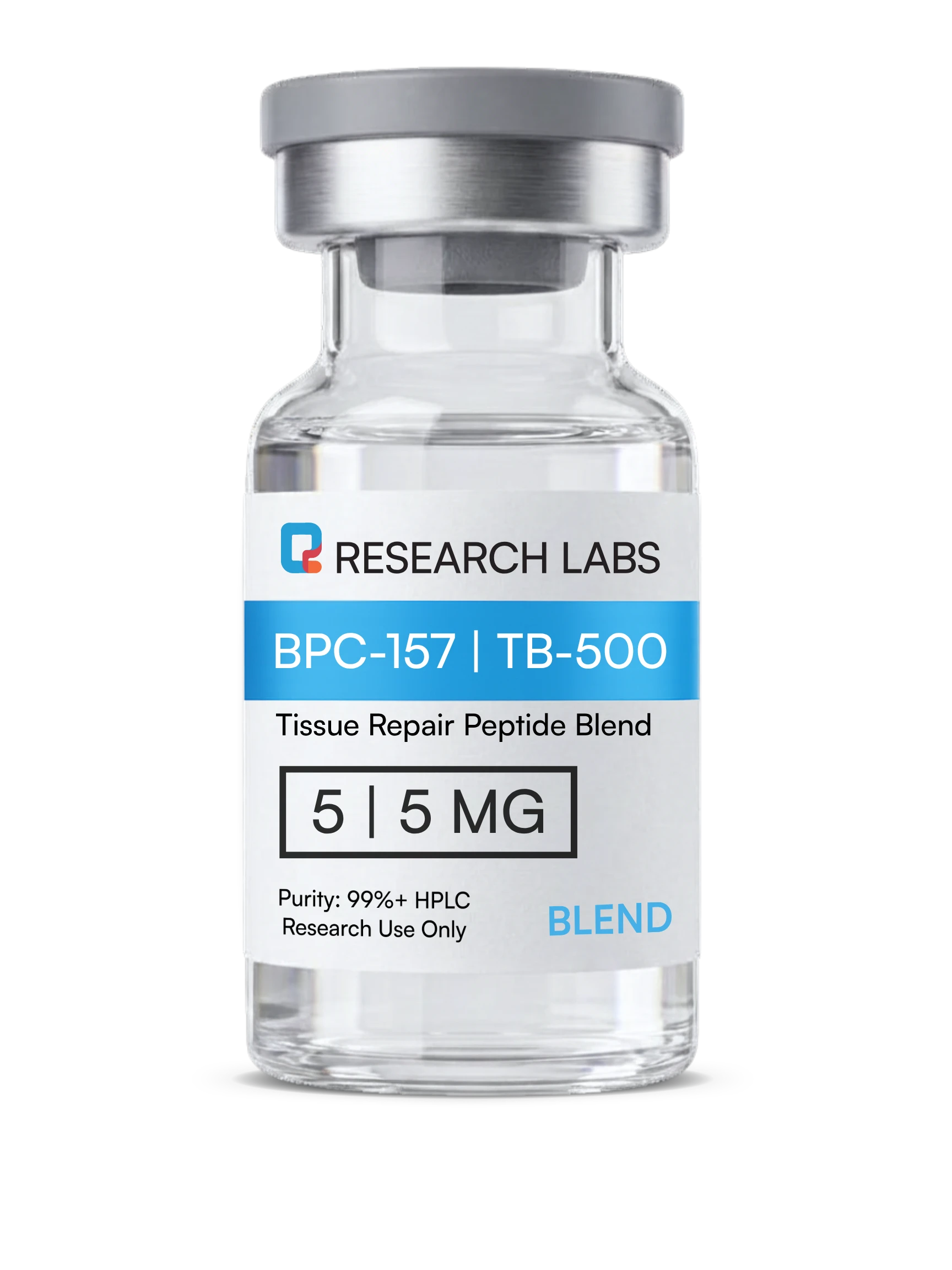 $56.99 – $99.99 — or subscribe and save 10%
 $69.99 – $119.99 — or subscribe and save 10%
 $57.99 — or subscribe and save 10%
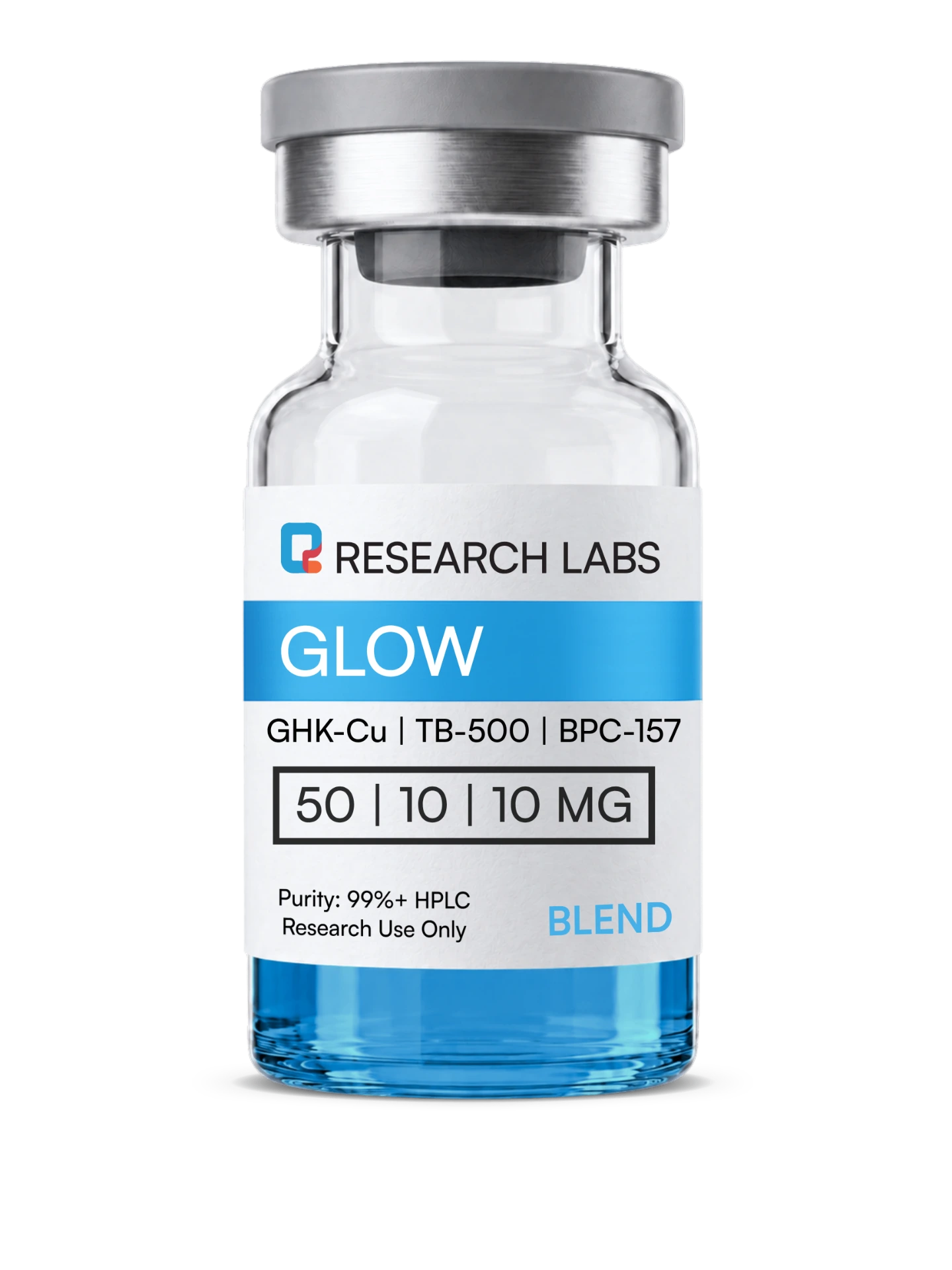 $109.99 — or subscribe and save 10%
 $123.99 — or subscribe and save 10%