TB-500
Thymosin Beta-4 (43 Amino Acid)
CAS: 77591-33-4
Formula: C212H350N56O78S
M.W.: 4963.4421 g/mol
Purity: 99%+ HPLC Verified
Ref No.: TB-0010VI
For Research Use Only (RUO)
Not for human or veterinary use.
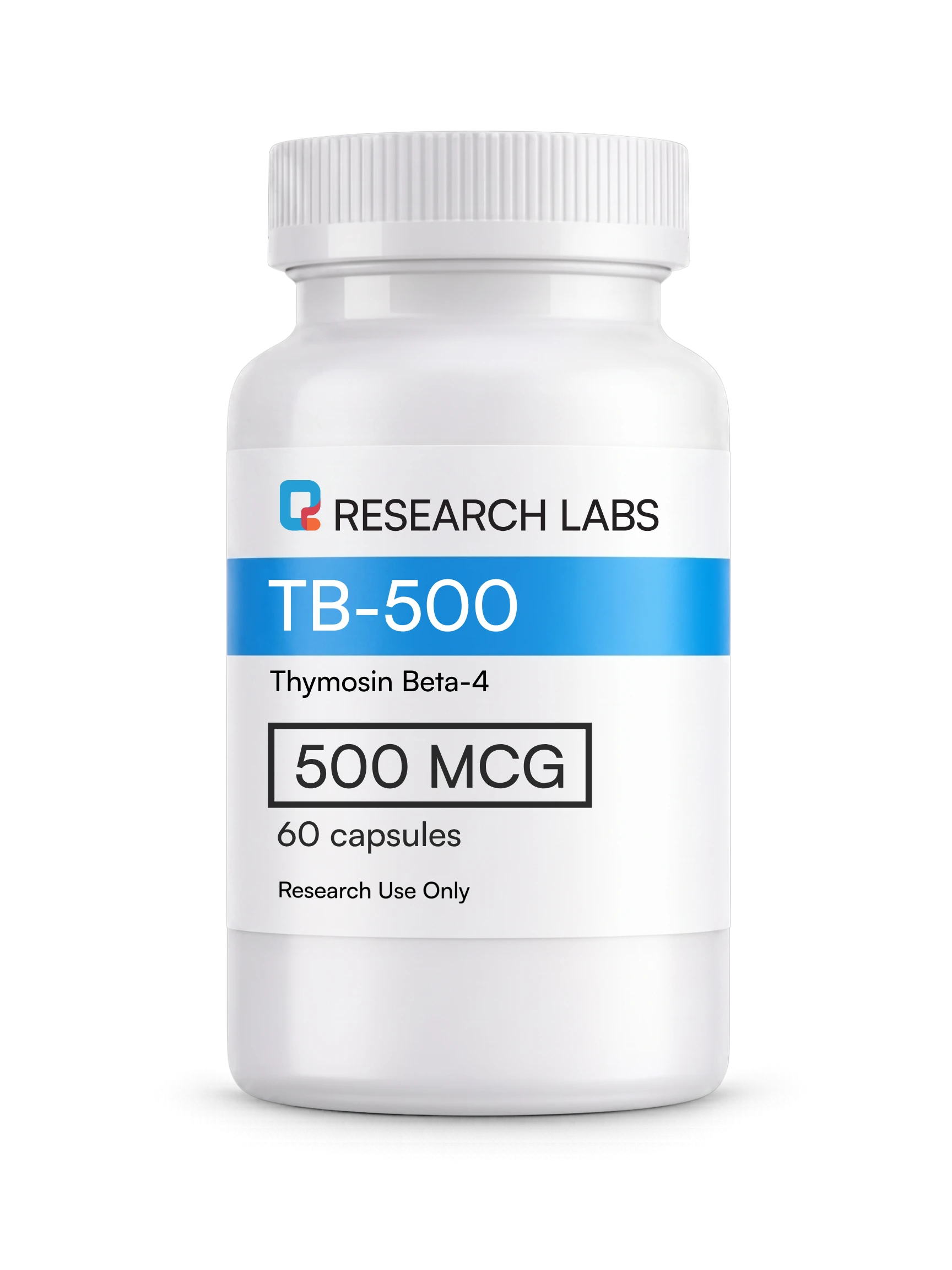
TB-500 (Capsules)
Category
Regenerative Research
CAS Number
77591-33-4
Form Factor
Capsules
In stock, ready to ship
Ships same day before 12pm PST
Products are shipped in capsule form.
TB-500 (Thymosin Beta-4) in oral capsule form is studied in laboratory research for gastrointestinal-tract absorption and systemic bioavailability. Research examines actin-polymerization-related signaling and its relationship to cell-migration pathways in experimental models. For laboratory research use only.
Description
TB-500 (Thymosin Beta-4) in oral capsule form is studied in laboratory research for gastrointestinal-tract absorption and systemic bioavailability. Research examines actin-polymerization-related signaling and its relationship to cell-migration pathways in experimental models. For laboratory research use only.Chemical Information
CAS Number
77591-33-4
Secondary CAS
885340-08-9
Purity
99%+ HPLC Verified
Molecular Formula
C212H350N56O78S
Molar Mass
4963.4421 g/mol
Form Factor
Lyophilized Powder
Synonyms
Research Applications
- Regenerative-Biology Research: TB-500 is investigated in experimental models of cardiac, dermal, hepatic, and musculoskeletal tissue remodeling. Research focuses on actin-associated cytoskeletal regulation, cellular migration, extracellular-matrix organization, scar-tissue characteristics, and functional tissue responses.
- Cell-Biology Research: TB-500 is used to examine actin-polymerization dynamics and their relationship to cellular motility. Studies investigate G-actin sequestration, cytoskeletal organization, migration pathways, and tissue-remodeling processes associated with Thymosin Beta-4 signaling.
- Dermatological Research: TB-500 is studied in models of dermal regeneration and hair-follicle cycling. Research endpoints include keratinocyte and endothelial-cell migration, re-epithelialization, follicular stem-cell activity, tissue architecture, and transitions between telogen and anagen phases.
- Cardiovascular Research: TB-500 is evaluated in experimental ischemia–reperfusion and myocardial-injury models. Investigations assess cardiomyocyte apoptosis, cardiac progenitor-cell migration, inflammatory signaling, extracellular-matrix deposition, and fibrotic remodeling.
- Immunology Research: TB-500 is examined for potential effects on inflammatory and immune-regulatory pathways associated with Thymosin Beta-4 activity. Research parameters include IL-1β and TNF-α signaling, neutrophil recruitment, macrophage polarization, and cellular responses within injured-tissue microenvironments.
Storage Conditions
Unreconstituted
Store at -20°C to 4°C (freezer or refrigerator). Stable for 24+ months.
Reconstituted
Refrigerate at 2–8°C. Use within 30 days for optimal stability.
Avoid
Repeated freeze-thaw cycles, direct sunlight, and temperatures above 25°C.
Safety & Compliance
- Wear nitrile gloves and safety goggles when handling research compounds.
- Work in a clean, controlled environment (laminar flow hood recommended).
- Dispose of sharps and used materials in approved biohazard containers.
- This product is for laboratory research use only (RUO) — not for human or veterinary use.
Quality Assurance Standards
Each production lot is subjected to rigorous analytical evaluation to meet pharmaceutical-grade specifications. Full testing results and procedural documentation are furnished through the accompanying Certificate of Analysis (COA) with every shipment.
Certificate of Analysis
Latest COA for TB-500 (Capsules) — independently tested via HPLC and Mass Spectrometry.
Testing Methodology
Every batch undergoes a multi-stage analytical pipeline before release. Results are compiled into the Certificate of Analysis (COA) included with each order.
- • HPLC — High-Performance Liquid Chromatography confirms peptide purity ≥98%.
- • Mass Spectrometry — Validates molecular identity and correct sequence.
- • Endotoxin (LAL) — Limulus Amebocyte Lysate assay ensures endotoxin levels are within safe limits.
- • Sterility — Microbial contamination testing per USP standards.
Learn More About Peptides
Explore our research library covering purity, synthesis, storage, solubility, and more.
Research Database
Browse peer-reviewed studies, clinical trials, and scientific sources behind our peptide resources.
You May Also Like
-
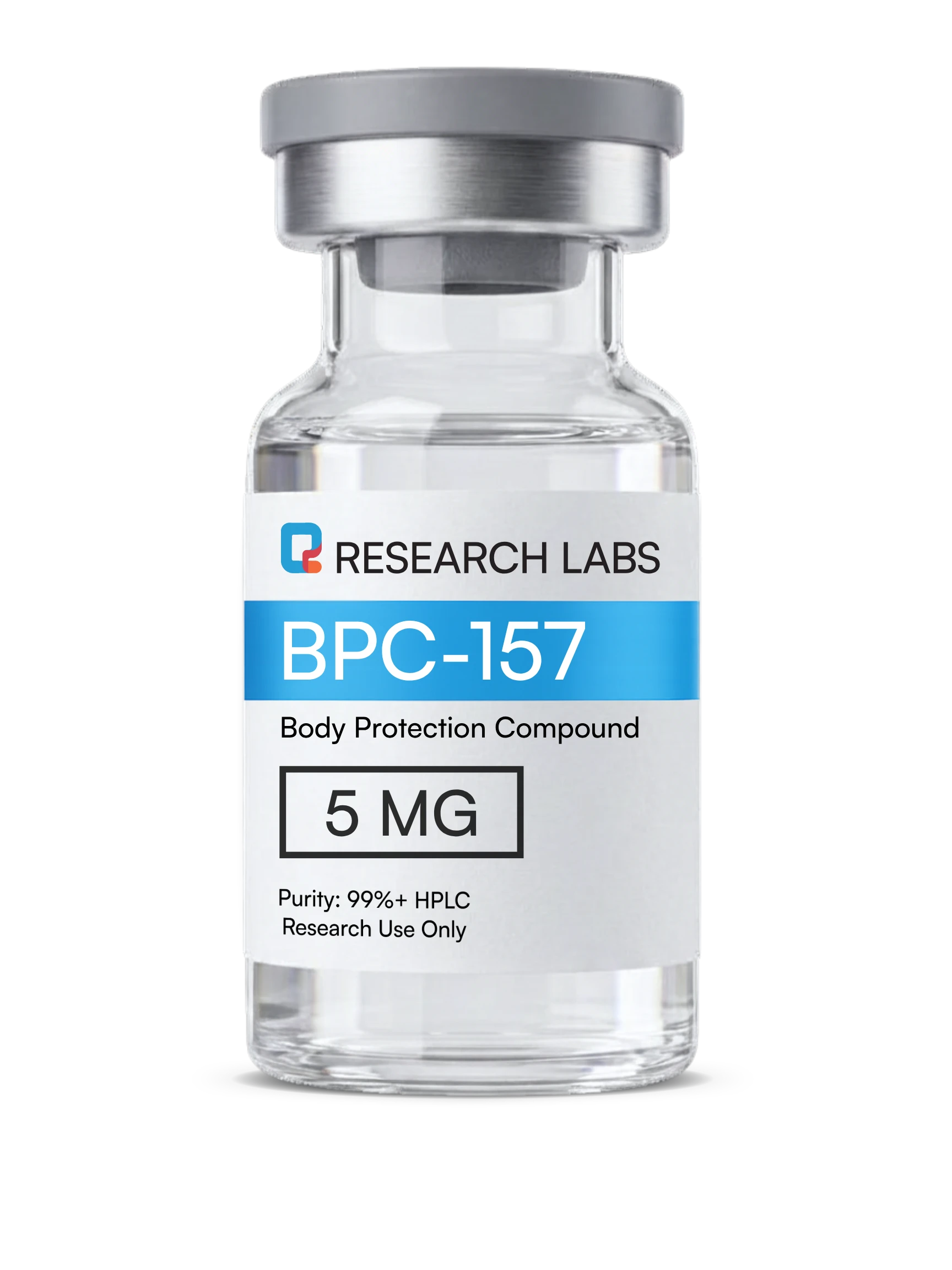 $32.99 – $48.99
BPC-157
Regenerative ResearchThis product has multiple variants. The options may be chosen on the product page View Details -
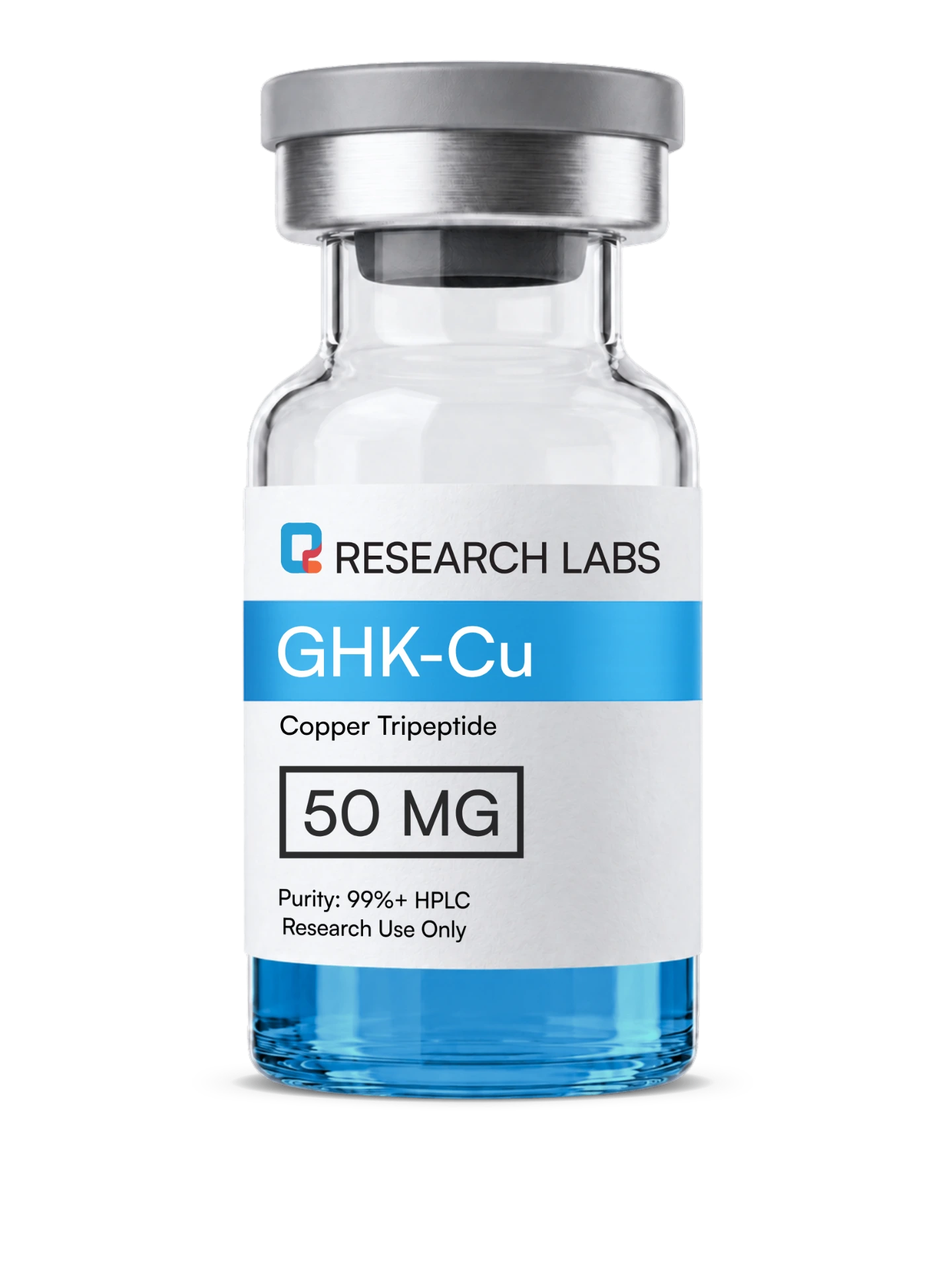 $44.99
GHK-Cu
Tissue Repair / Regenerative ResearchThis product has multiple variants. The options may be chosen on the product page View Details -
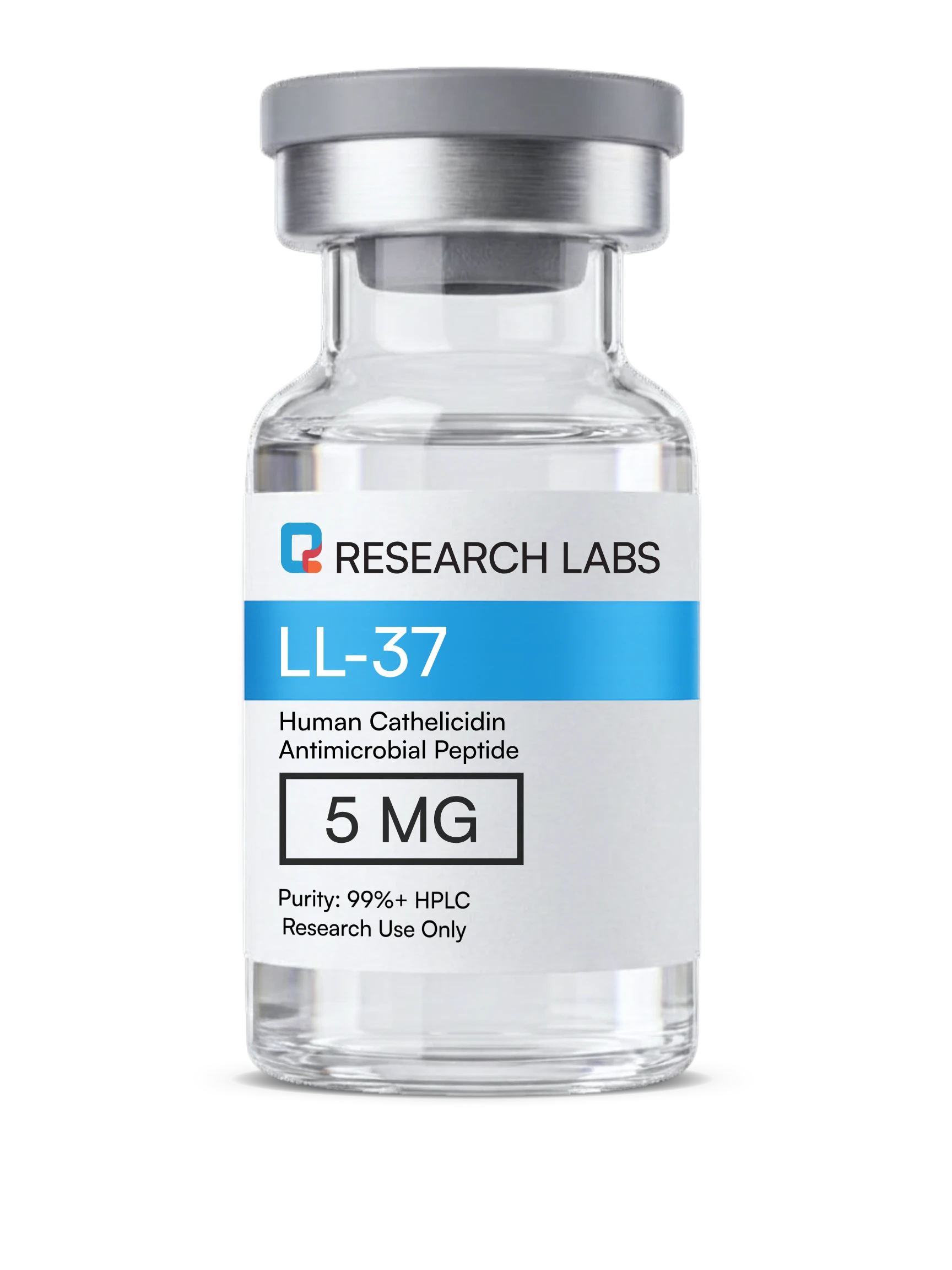 $63.99
LL-37
GH / Neuro / Misc ResearchThis product has multiple variants. The options may be chosen on the product page View Details -
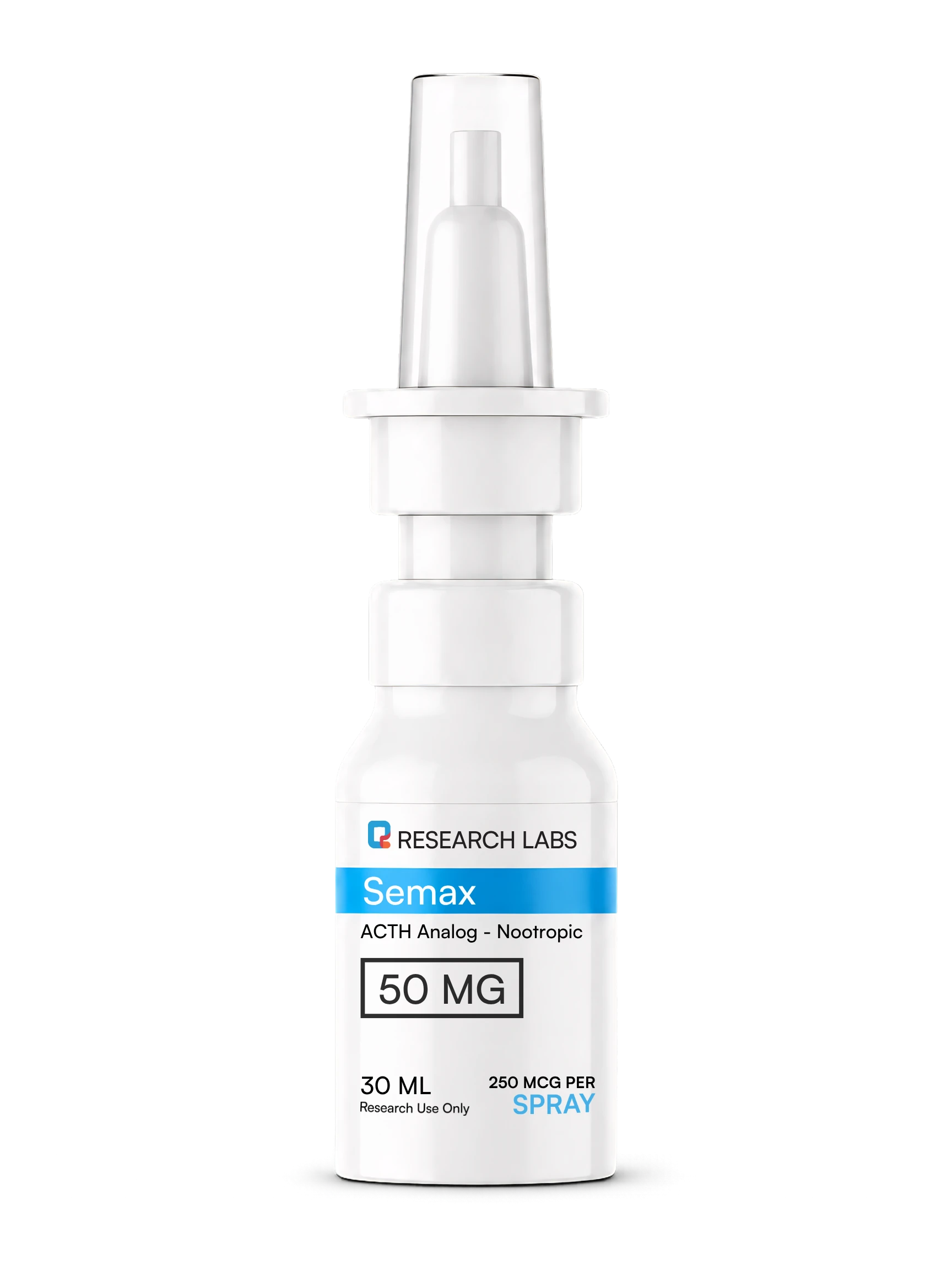 $124.99
Semax (Spray)
GH / Neuro / Misc ResearchThis product has multiple variants. The options may be chosen on the product page View Details
For Complementary healing mechanisms Research
For Collagen remodeling & skin repair Research
For Antimicrobial wound protection Research
Popular Product
Description
TB-500 (Thymosin Beta-4) in oral capsule form is studied in laboratory research for gastrointestinal-tract absorption and systemic bioavailability. Research examines actin-polymerization-related signaling and its relationship to cell-migration pathways in experimental models. For laboratory research use only.Chemical Information
CAS Number
77591-33-4
Secondary CAS
885340-08-9
Purity
99%+ HPLC Verified
Molecular Formula
C212H350N56O78S
Molar Mass
4963.4421 g/mol
Form Factor
Lyophilized Powder
Synonyms
Research Applications
- Regenerative-Biology Research: TB-500 is investigated in experimental models of cardiac, dermal, hepatic, and musculoskeletal tissue remodeling. Research focuses on actin-associated cytoskeletal regulation, cellular migration, extracellular-matrix organization, scar-tissue characteristics, and functional tissue responses.
- Cell-Biology Research: TB-500 is used to examine actin-polymerization dynamics and their relationship to cellular motility. Studies investigate G-actin sequestration, cytoskeletal organization, migration pathways, and tissue-remodeling processes associated with Thymosin Beta-4 signaling.
- Dermatological Research: TB-500 is studied in models of dermal regeneration and hair-follicle cycling. Research endpoints include keratinocyte and endothelial-cell migration, re-epithelialization, follicular stem-cell activity, tissue architecture, and transitions between telogen and anagen phases.
- Cardiovascular Research: TB-500 is evaluated in experimental ischemia–reperfusion and myocardial-injury models. Investigations assess cardiomyocyte apoptosis, cardiac progenitor-cell migration, inflammatory signaling, extracellular-matrix deposition, and fibrotic remodeling.
- Immunology Research: TB-500 is examined for potential effects on inflammatory and immune-regulatory pathways associated with Thymosin Beta-4 activity. Research parameters include IL-1β and TNF-α signaling, neutrophil recruitment, macrophage polarization, and cellular responses within injured-tissue microenvironments.
Storage Conditions
Unreconstituted
Store at -20°C to 4°C (freezer or refrigerator). Stable for 24+ months.
Reconstituted
Refrigerate at 2–8°C. Use within 30 days for optimal stability.
Avoid
Repeated freeze-thaw cycles, direct sunlight, and temperatures above 25°C.
Safety & Compliance
- Wear nitrile gloves and safety goggles when handling research compounds.
- Work in a clean, controlled environment (laminar flow hood recommended).
- Dispose of sharps and used materials in approved biohazard containers.
- This product is for laboratory research use only (RUO) — not for human or veterinary use.
Quality Assurance Standards
Each production lot is subjected to rigorous analytical evaluation to meet pharmaceutical-grade specifications. Full testing results and procedural documentation are furnished through the accompanying Certificate of Analysis (COA) with every shipment.
Certificate of Analysis
Latest COA for TB-500 (Capsules) — independently tested via HPLC and Mass Spectrometry.
Testing Methodology
Every batch undergoes a multi-stage analytical pipeline before release. Results are compiled into the Certificate of Analysis (COA) included with each order.
- • HPLC — High-Performance Liquid Chromatography confirms peptide purity ≥98%.
- • Mass Spectrometry — Validates molecular identity and correct sequence.
- • Endotoxin (LAL) — Limulus Amebocyte Lysate assay ensures endotoxin levels are within safe limits.
- • Sterility — Microbial contamination testing per USP standards.
Learn More About Peptides
Explore our research library covering purity, synthesis, storage, solubility, and more.
Research Database
Browse peer-reviewed studies, clinical trials, and scientific sources behind our peptide resources.