GLOW
GHK-Cu | TB-500 | BPC-157
Blend Components:
GHK-Cu
CAS: 89030-95-5
Formula: C14H22CuN6O4
M.W.: 401.9105 g/mol
TB-500
CAS: 77591-33-4
Formula: C212H350N56O78S
M.W.: 4963.4421 g/mol
BPC-157
CAS: 137525-51-0
Formula: C62H98N16O22
M.W.: 1419.5347 g/mol
Purity: 99%+ HPLC Verified
Ref No.: GLO-0050VI
For Research Use Only (RUO)
Not for human or veterinary use.
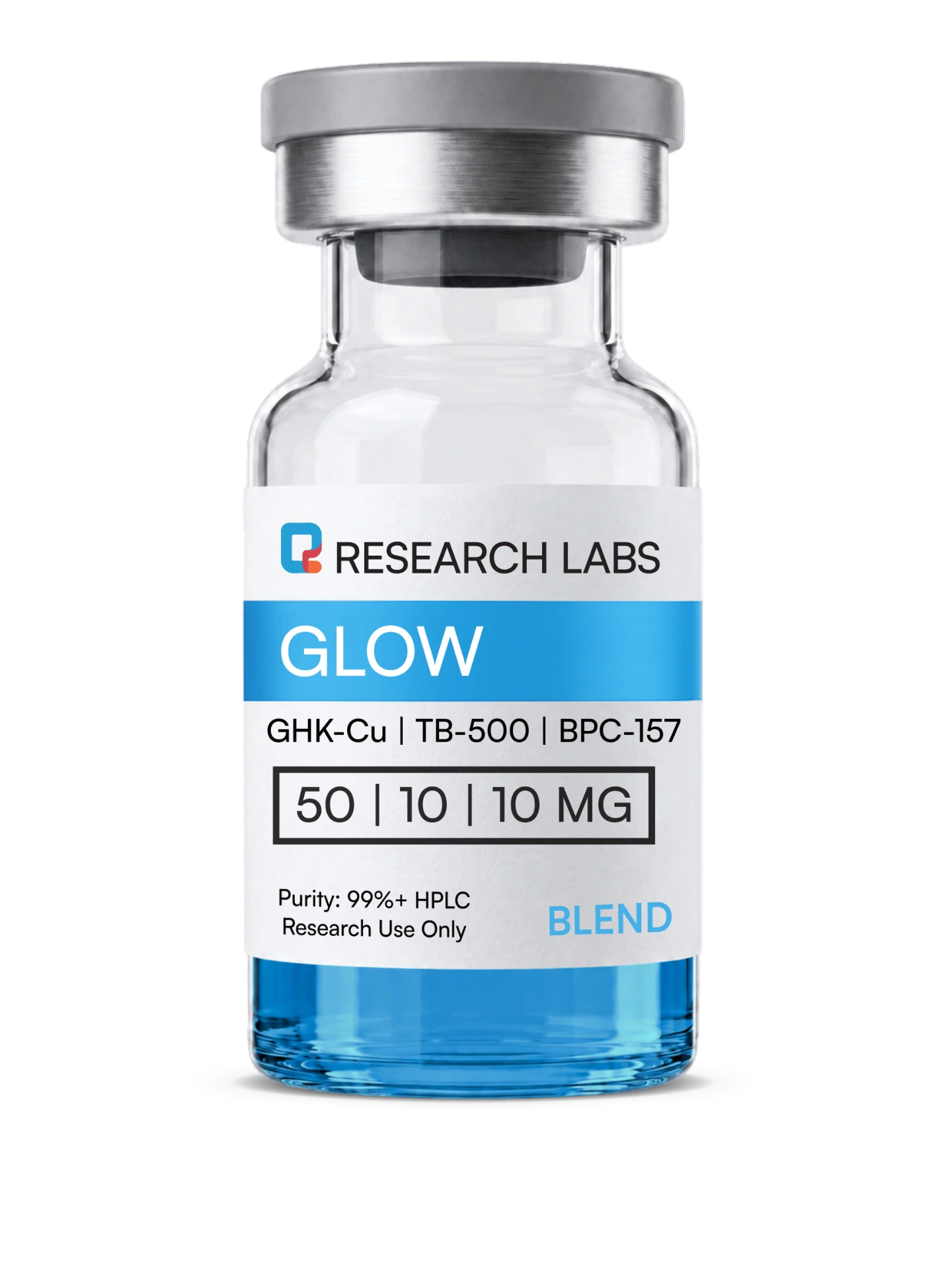
“GLOW” GHK-Cu | TB-500 | BPC-157 (Blend)
Category
Regenerative Research
Form Factor
Lyophilized Powder
Blend Components
GHK-Cu
50 mg
CAS: 89030-95-5
TB-500
10 mg
CAS: 77591-33-4
BPC-157
10 mg
CAS: 137525-51-0
GHK-Cu
CAS
89030-95-5
Formula
C14H22CuN6O4
Molar Mass
401.9105 g/mol
TB-500
CAS
77591-33-4
Formula
C212H350N56O78S
Molar Mass
4963.4421 g/mol
BPC-157
CAS
137525-51-0
Formula
C62H98N16O22
Molar Mass
1419.5347 g/mol
In stock, ready to ship
Ships same day before 12pm PST
Products are shipped in lyophilized powder form.
The GLOW research blend combines GHK-Cu, TB-500, and BPC-157 to investigate complementary tissue-remodeling mechanisms. GHK-Cu is associated with collagen synthesis, TB-500 with cellular migration and inflammatory-response signaling, and BPC-157 with angiogenic and growth-factor pathways.
Description
The GLOW research blend combines GHK-Cu, TB-500, and BPC-157 to investigate complementary tissue-remodeling mechanisms. GHK-Cu is associated with collagen synthesis, TB-500 with cellular migration and inflammatory-response signaling, and BPC-157 with angiogenic and growth-factor pathways.Chemical Information
Purity
99%+ HPLC Verified
Form Factor
Lyophilized Powder
Synonyms
Blend Components
GHK-Cu
50 mg
CAS: 89030-95-5
TB-500
10 mg
CAS: 77591-33-4
BPC-157
10 mg
CAS: 137525-51-0
GHK-Cu
CAS
89030-95-5
Formula
C14H22CuN6O4
Molar Mass
401.9105 g/mol
TB-500
CAS
77591-33-4
Formula
C212H350N56O78S
Molar Mass
4963.4421 g/mol
BPC-157
CAS
137525-51-0
Formula
C62H98N16O22
Molar Mass
1419.5347 g/mol
Research Applications
- Skin Biology Research: The GLOW blend, comprising GHK-Cu, TB-500, and BPC-157, is investigated as a multi-peptide formulation in experimental skin models. Research focuses on interactions among collagen synthesis, cellular migration, angiogenic signaling, and extracellular-matrix organization.
- Dermatological Research: GLOW is studied for its influence on dermal remodeling processes. Research endpoints include collagen density, elastin content, re-epithelialization, tissue architecture, and related biomarkers of cutaneous regeneration.
- Skin-Aging Research: GLOW is evaluated in experimental models of age-associated tissue changes. Studies examine its effects on cellular senescence, extracellular-matrix turnover, oxidative-stress signaling, and structural tissue markers compared with individual peptide controls.
- Tissue-Regeneration Research: GLOW is studied across multiple phases of experimental tissue repair through the complementary mechanisms associated with its three peptide components. Comparative endpoints include tissue-closure kinetics, collagen organization, vascular responses, and scar-tissue characteristics.
Storage Conditions
Unreconstituted
Store at -20°C to 4°C (freezer or refrigerator). Stable for 24+ months.
Reconstituted
Refrigerate at 2–8°C. Use within 30 days for optimal stability.
Avoid
Repeated freeze-thaw cycles, direct sunlight, and temperatures above 25°C.
Safety & Compliance
- Wear nitrile gloves and safety goggles when handling research compounds.
- Work in a clean, controlled environment (laminar flow hood recommended).
- Dispose of sharps and used materials in approved biohazard containers.
- This product is for laboratory research use only (RUO) — not for human or veterinary use.
Quality Assurance Standards
Each production lot is subjected to rigorous analytical evaluation to meet pharmaceutical-grade specifications. Full testing results and procedural documentation are furnished through the accompanying Certificate of Analysis (COA) with every shipment.
Certificate of Analysis
Latest COA for "GLOW" GHK-Cu | TB-500 | BPC-157 (Blend) — independently tested via HPLC and Mass Spectrometry.
Testing Methodology
Every batch undergoes a multi-stage analytical pipeline before release. Results are compiled into the Certificate of Analysis (COA) included with each order.
- • HPLC — High-Performance Liquid Chromatography confirms peptide purity ≥98%.
- • Mass Spectrometry — Validates molecular identity and correct sequence.
- • Endotoxin (LAL) — Limulus Amebocyte Lysate assay ensures endotoxin levels are within safe limits.
- • Sterility — Microbial contamination testing per USP standards.
Learn More About Peptides
Explore our research library covering purity, synthesis, storage, solubility, and more.
Research Database
Browse peer-reviewed studies, clinical trials, and scientific sources behind our peptide resources.
You May Also Like
-
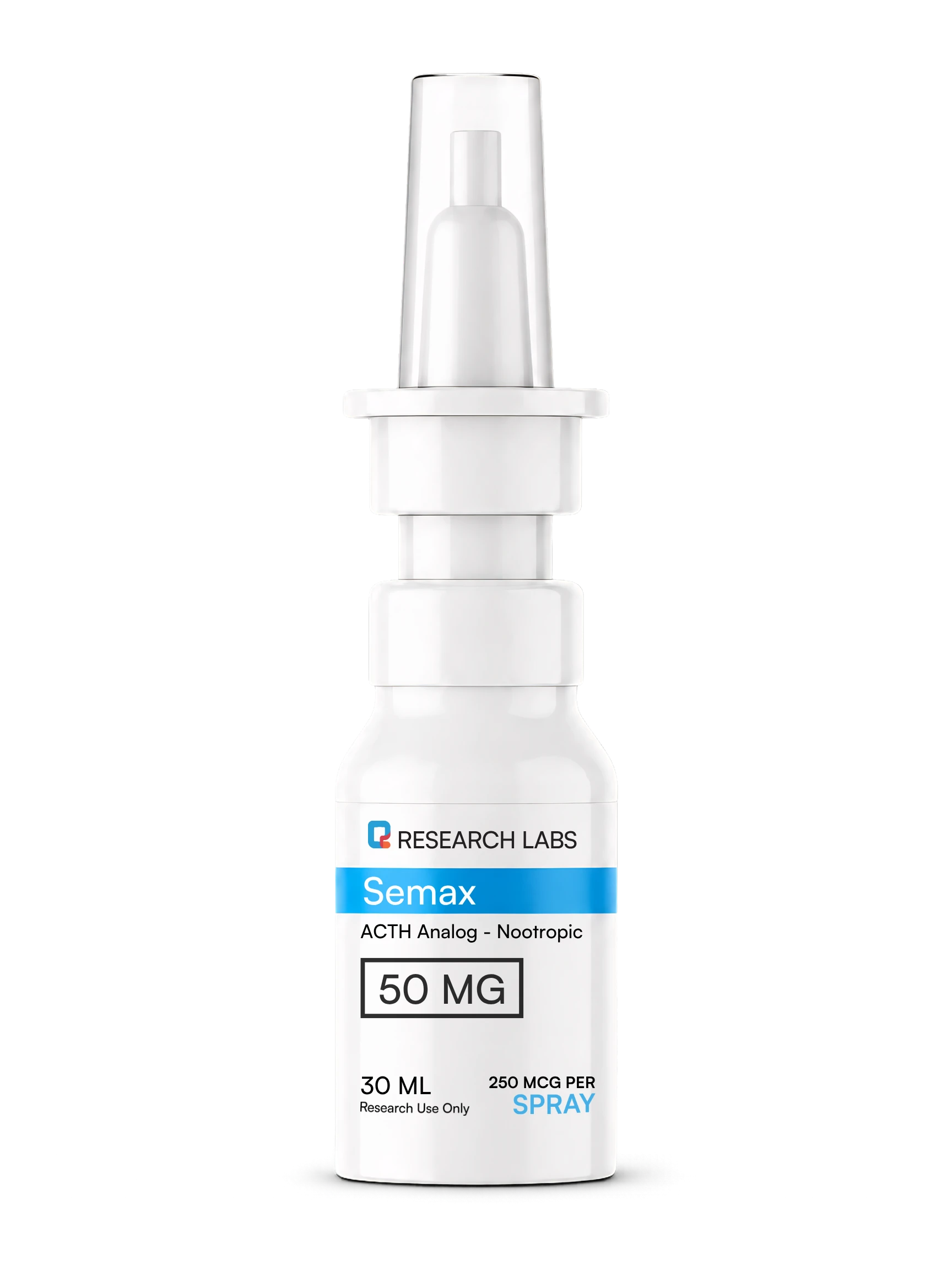 $124.99
Semax (Spray)
GH / Neuro / Misc ResearchThis product has multiple variants. The options may be chosen on the product page View Details -
 $99.99
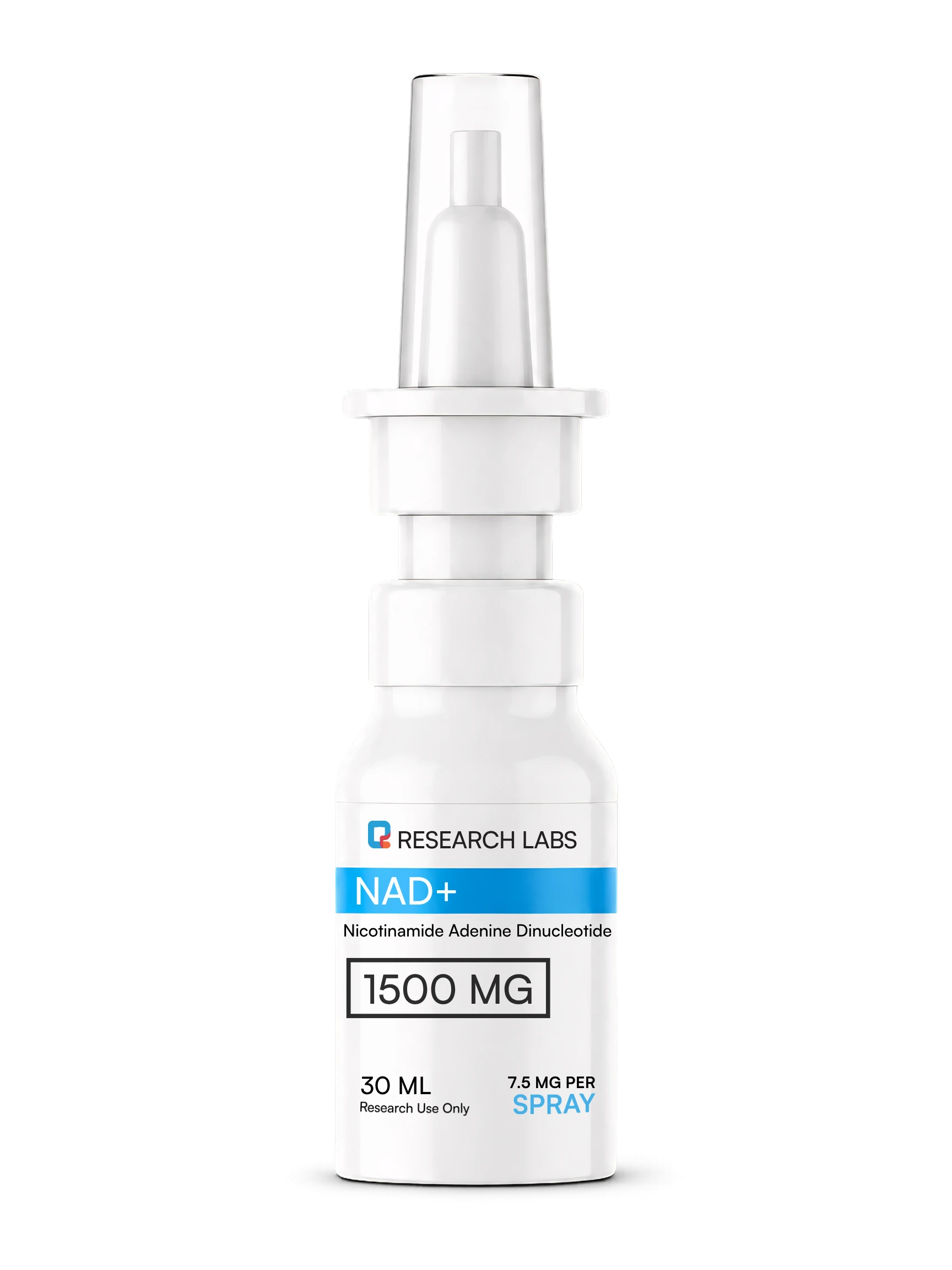
NAD+ (Spray)
GH / Neuro / Misc ResearchThis product has multiple variants. The options may be chosen on the product page View Details -
 $109.99
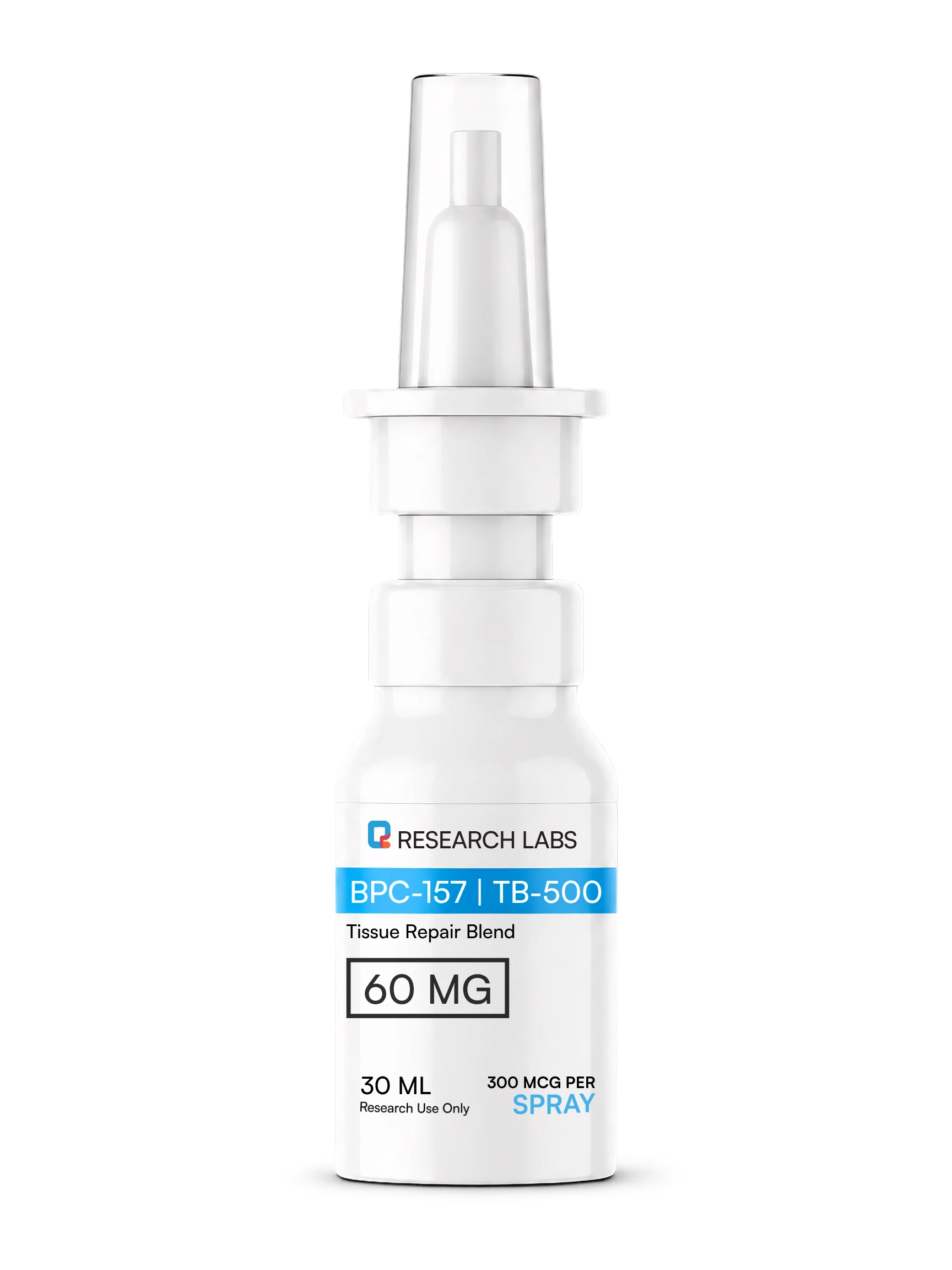
BPC-157 (Spray)
Regenerative ResearchThis product has multiple variants. The options may be chosen on the product page View Details -
 $124.99
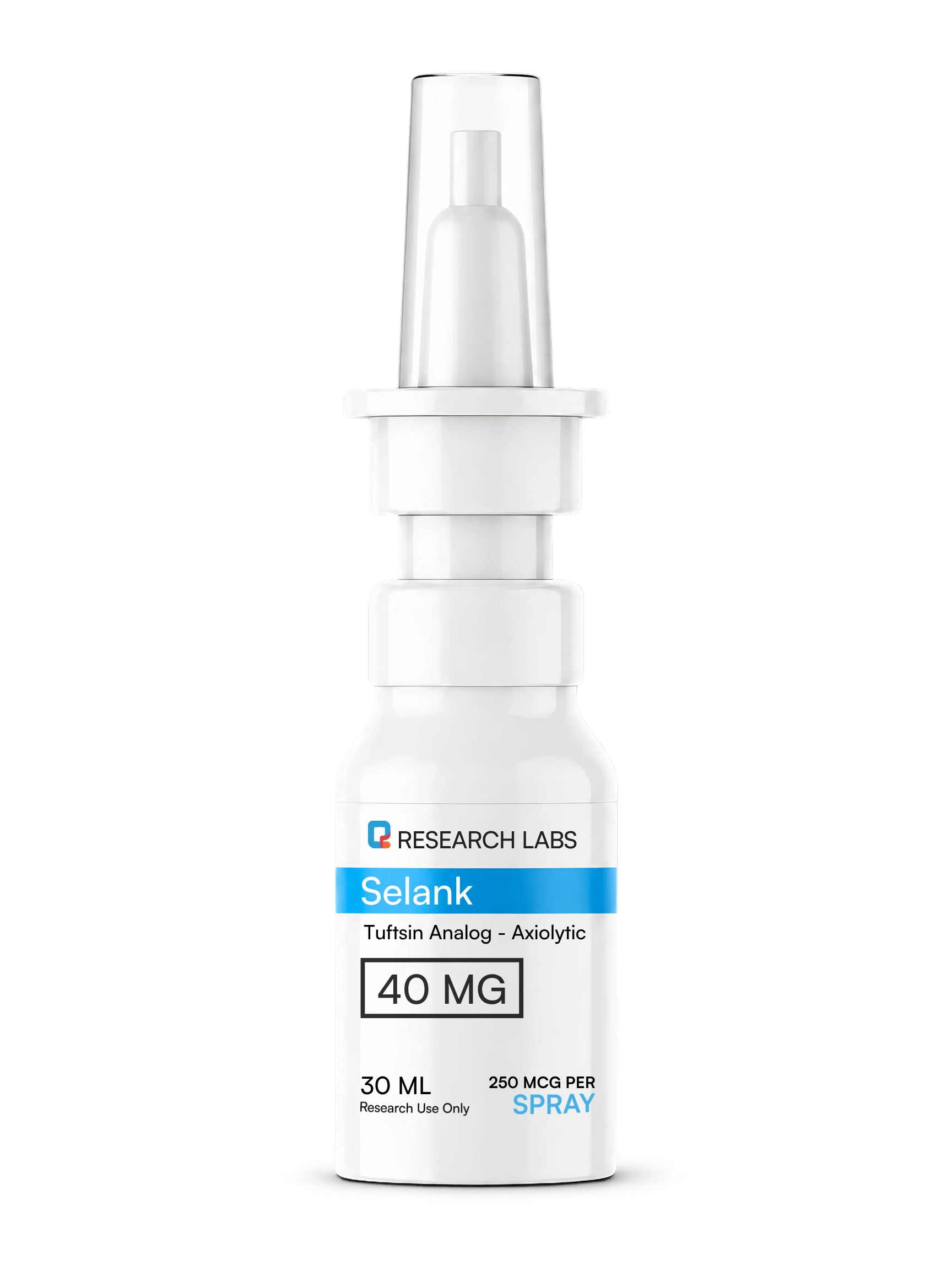
Selank (Spray)
GH / Neuro / Misc ResearchThis product has multiple variants. The options may be chosen on the product page View Details
Popular Product
Popular Product
Popular Product
Popular Product
Description
The GLOW research blend combines GHK-Cu, TB-500, and BPC-157 to investigate complementary tissue-remodeling mechanisms. GHK-Cu is associated with collagen synthesis, TB-500 with cellular migration and inflammatory-response signaling, and BPC-157 with angiogenic and growth-factor pathways.Chemical Information
Purity
99%+ HPLC Verified
Form Factor
Lyophilized Powder
Synonyms
Blend Components
GHK-Cu
50 mg
CAS: 89030-95-5
TB-500
10 mg
CAS: 77591-33-4
BPC-157
10 mg
CAS: 137525-51-0
GHK-Cu
CAS
89030-95-5
Formula
C14H22CuN6O4
Molar Mass
401.9105 g/mol
TB-500
CAS
77591-33-4
Formula
C212H350N56O78S
Molar Mass
4963.4421 g/mol
BPC-157
CAS
137525-51-0
Formula
C62H98N16O22
Molar Mass
1419.5347 g/mol
Research Applications
- Skin Biology Research: The GLOW blend, comprising GHK-Cu, TB-500, and BPC-157, is investigated as a multi-peptide formulation in experimental skin models. Research focuses on interactions among collagen synthesis, cellular migration, angiogenic signaling, and extracellular-matrix organization.
- Dermatological Research: GLOW is studied for its influence on dermal remodeling processes. Research endpoints include collagen density, elastin content, re-epithelialization, tissue architecture, and related biomarkers of cutaneous regeneration.
- Skin-Aging Research: GLOW is evaluated in experimental models of age-associated tissue changes. Studies examine its effects on cellular senescence, extracellular-matrix turnover, oxidative-stress signaling, and structural tissue markers compared with individual peptide controls.
- Tissue-Regeneration Research: GLOW is studied across multiple phases of experimental tissue repair through the complementary mechanisms associated with its three peptide components. Comparative endpoints include tissue-closure kinetics, collagen organization, vascular responses, and scar-tissue characteristics.
Storage Conditions
Unreconstituted
Store at -20°C to 4°C (freezer or refrigerator). Stable for 24+ months.
Reconstituted
Refrigerate at 2–8°C. Use within 30 days for optimal stability.
Avoid
Repeated freeze-thaw cycles, direct sunlight, and temperatures above 25°C.
Safety & Compliance
- Wear nitrile gloves and safety goggles when handling research compounds.
- Work in a clean, controlled environment (laminar flow hood recommended).
- Dispose of sharps and used materials in approved biohazard containers.
- This product is for laboratory research use only (RUO) — not for human or veterinary use.
Quality Assurance Standards
Each production lot is subjected to rigorous analytical evaluation to meet pharmaceutical-grade specifications. Full testing results and procedural documentation are furnished through the accompanying Certificate of Analysis (COA) with every shipment.
Certificate of Analysis
Latest COA for "GLOW" GHK-Cu | TB-500 | BPC-157 (Blend) — independently tested via HPLC and Mass Spectrometry.
Testing Methodology
Every batch undergoes a multi-stage analytical pipeline before release. Results are compiled into the Certificate of Analysis (COA) included with each order.
- • HPLC — High-Performance Liquid Chromatography confirms peptide purity ≥98%.
- • Mass Spectrometry — Validates molecular identity and correct sequence.
- • Endotoxin (LAL) — Limulus Amebocyte Lysate assay ensures endotoxin levels are within safe limits.
- • Sterility — Microbial contamination testing per USP standards.
Learn More About Peptides
Explore our research library covering purity, synthesis, storage, solubility, and more.
Research Database
Browse peer-reviewed studies, clinical trials, and scientific sources behind our peptide resources.