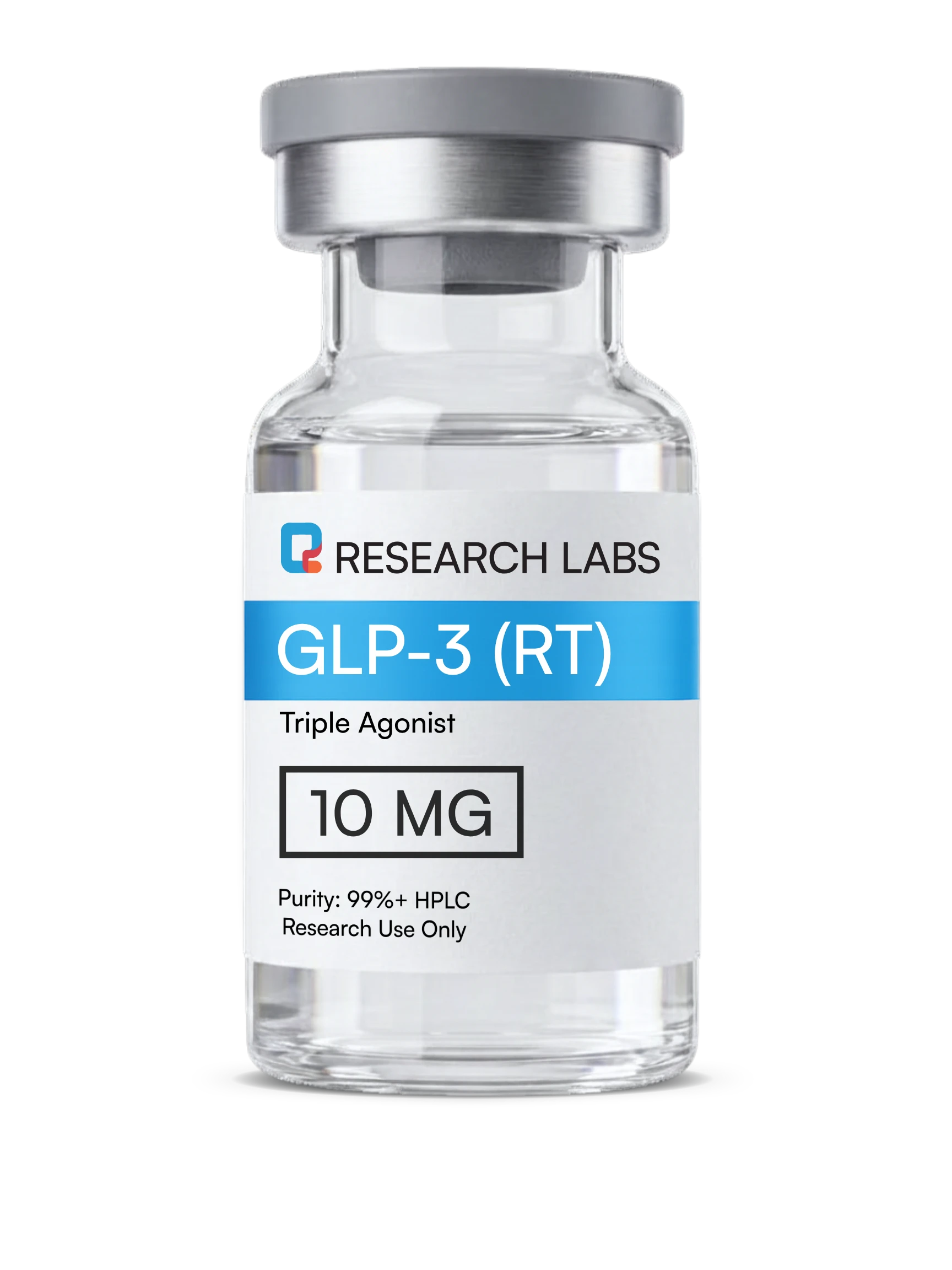
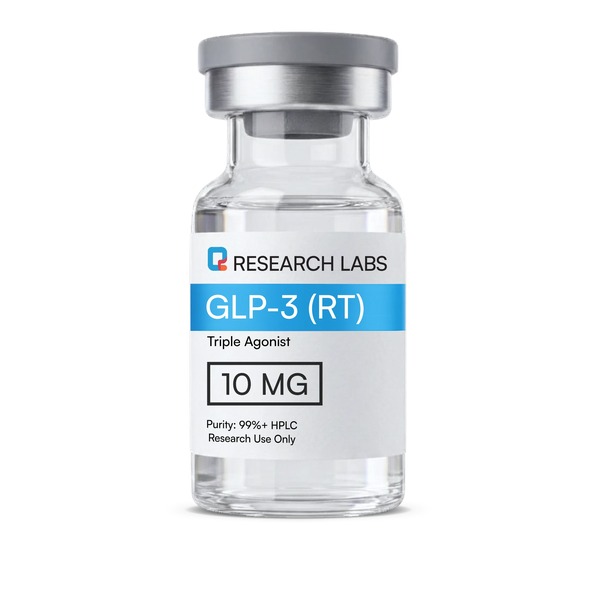
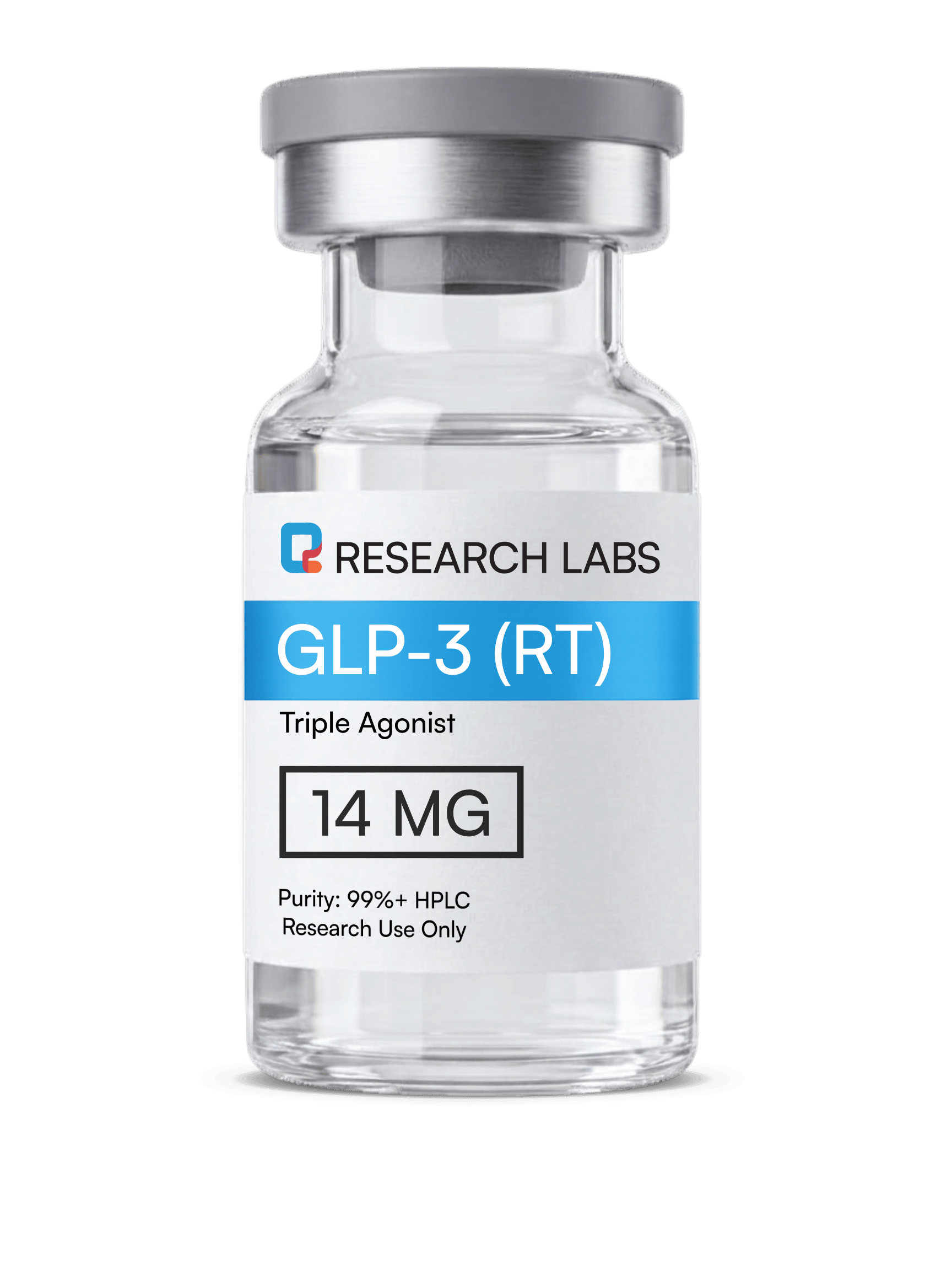
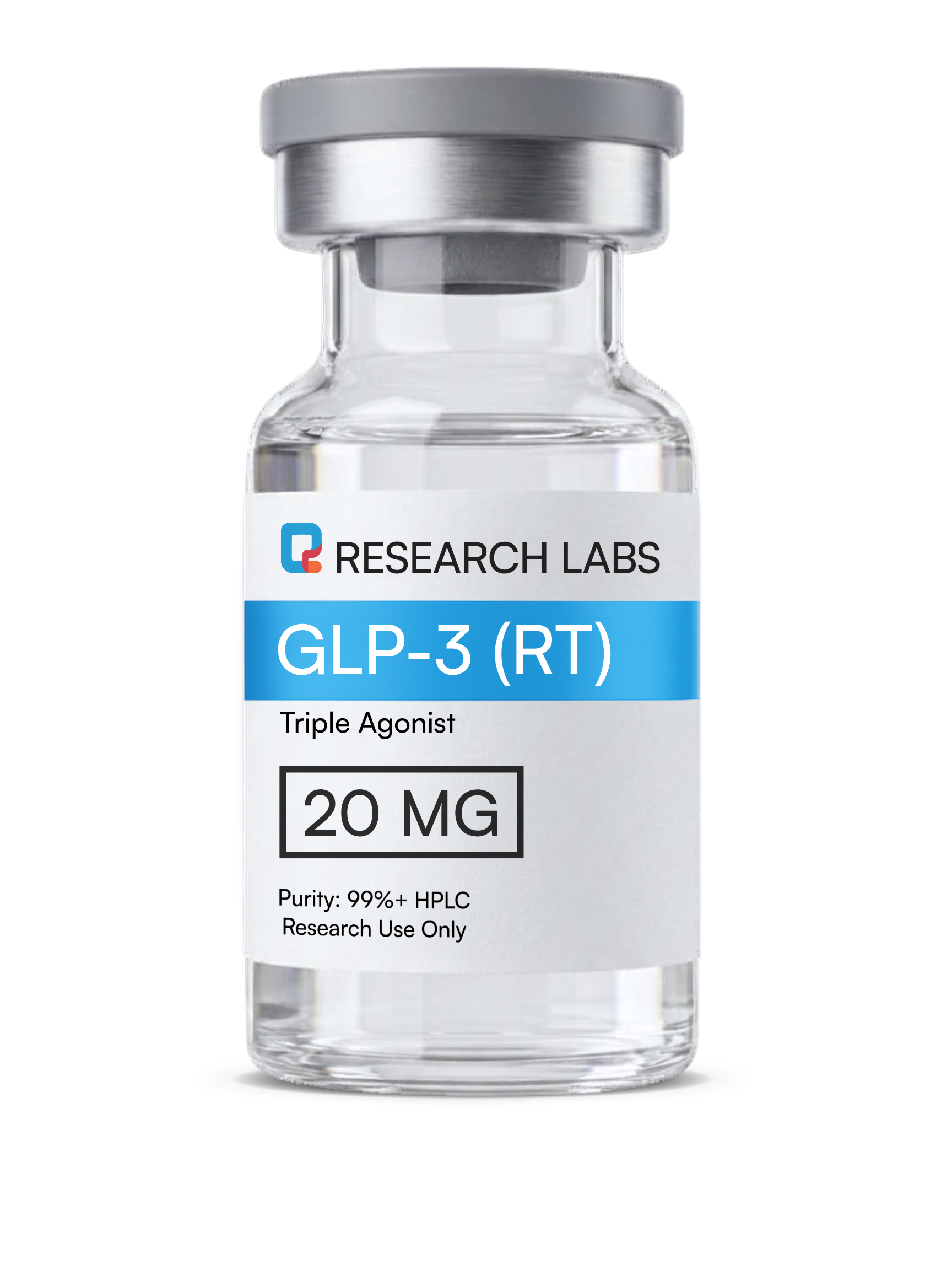
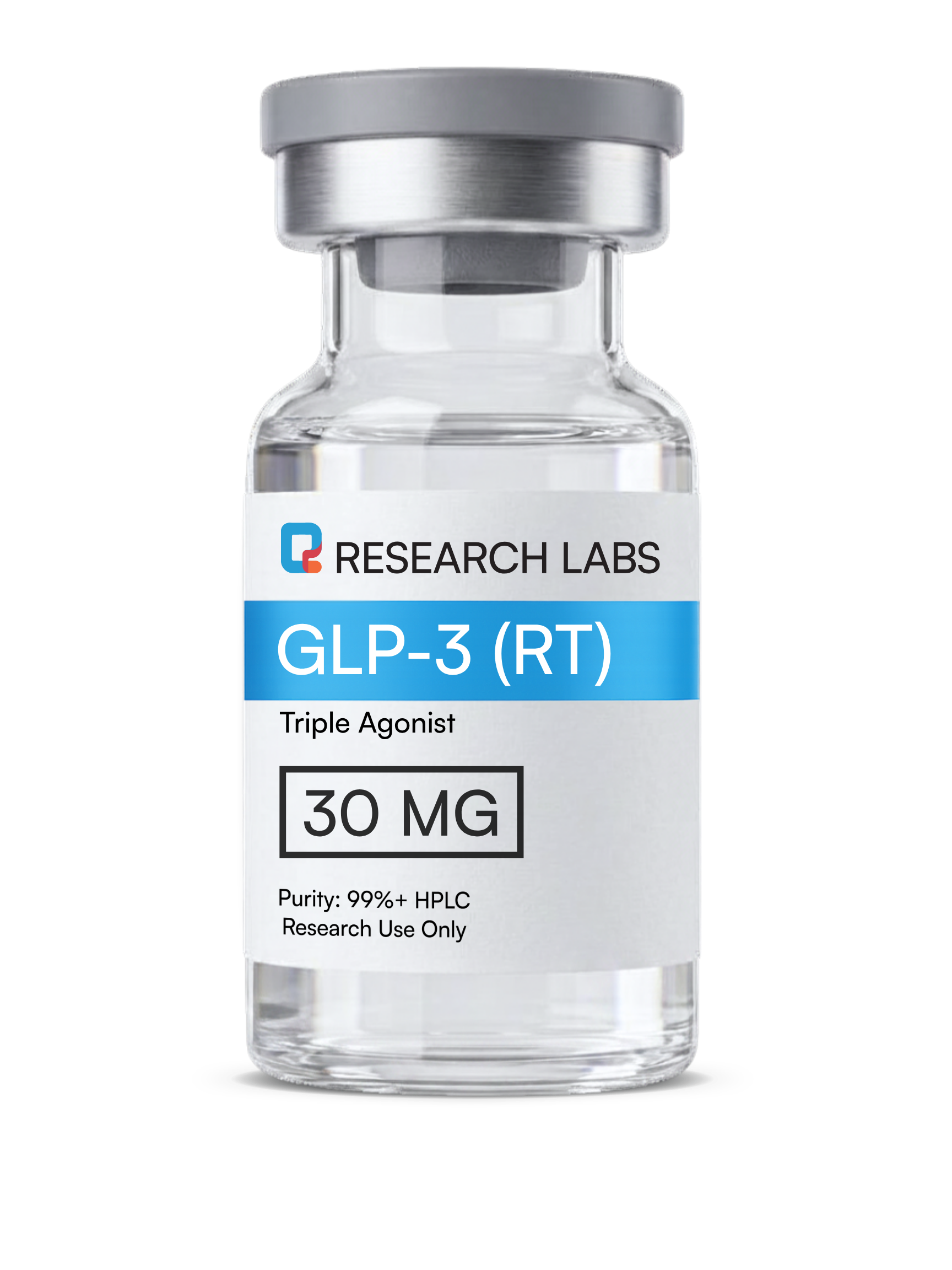
GLP-3 (RT)
Triple Agonist
Category: GLP / Metabolic Research
CAS: 2381089-83-2
Formula: C221H342N46O68
M.W.: 4731.3263 g/mol
Purity: 99%+ HPLC Verified
Ref No.:RET-0005VI
Ref No.:RET-0010VI
Ref No.:RET-0014VI
Ref No.:RET-0020VI
Ref No.:RET-0030VI
For Research Use Only (RUO)
Not for human or veterinary use.
Why Research Labs
-
Buy With Confidence
COA links, HPLC data, and transparent pricing on every product page.
-
Fair Pricing, Higher Standards
Transparent, competitive pricing without compromising the quality standards behind every batch.
-
Independently Tested
Verified at 99%+ purity and sterility by third-party labs.
-
Shipped Same Day
Order by 12 PM PT for guaranteed same-day shipping and tracking.
GLP-3 (RT) Peptide: High-Purity Research Compound
Category
GLP / Metabolic Research
CAS Number
2381089-83-2
Form Factor
Lyophilized Powder
In stock - Free shipping for subscriptions
Ships today before 12 PM PT
Products are shipped in lyophilized powder form.
Accepted payments





GLP-3 (RT) is a triple-agonist peptide simultaneously activating GLP-1, GIP, and glucagon receptors. Early preclinical data show pronounced metabolic endpoint changes at higher doses. The glucagon component adds thermogenic signaling and hepatic lipid oxidation absent from dual-agonists.
Description
GLP-3 (RT) is a triple-agonist peptide simultaneously activating GLP-1, GIP, and glucagon receptors. Early preclinical data show pronounced metabolic endpoint changes at higher doses. The glucagon component adds thermogenic signaling and hepatic lipid oxidation absent from dual-agonists.Chemical Information
CAS Number
2381089-83-2
Purity
99%+ HPLC Verified
Molecular Formula
C221H342N46O68
Molar Mass
4731.3263 g/mol
Form Factor
Lyophilized Powder
Synonyms
Frequently Asked Questions
No FAQs for GLP-3 (RT).
Storage Conditions
Unreconstituted
Store at -20°C to 4°C (freezer or refrigerator). Stable for 24+ months.
Reconstituted
Refrigerate at 2–8°C. Use within 30 days for optimal stability.
Avoid
Repeated freeze-thaw cycles, direct sunlight, and temperatures above 25°C.
Safety & Compliance
- Wear nitrile gloves and safety goggles when handling research compounds.
- Work in a clean, controlled environment (laminar flow hood recommended).
- Dispose of sharps and used materials in approved biohazard containers.
- This product is for laboratory research use only (RUO) — not for human or veterinary use.
Quality Assurance Standards
Each production lot is subjected to rigorous analytical evaluation to meet pharmaceutical-grade specifications. Full testing results and procedural documentation are furnished through the accompanying Certificate of Analysis (COA) with every shipment.
Certificate of Analysis
Latest COA for GLP-3 (RT) — independently tested via HPLC and Mass Spectrometry.
Testing Methodology
Every batch undergoes a multi-stage analytical pipeline before release. Results are compiled into the Certificate of Analysis (COA) included with each order.
- • HPLC — High-Performance Liquid Chromatography confirms peptide purity ≥98%.
- • Mass Spectrometry — Validates molecular identity and correct sequence.
- • Endotoxin (LAL) — Limulus Amebocyte Lysate assay ensures endotoxin levels are within safe limits.
- • Sterility — Microbial contamination testing per USP standards.
Learn More About Peptides
Explore our research library covering purity, synthesis, storage, solubility, and more.
Research Database
Browse peer-reviewed studies, clinical trials, and scientific sources behind our peptide resources.
Why Research Labs
-
Buy With Confidence
COA links, HPLC data, and transparent pricing on every product page.
-
Fair Pricing, Higher Standards
Transparent, competitive pricing without compromising the quality standards behind every batch.
-
Independently Tested
Verified at 99%+ purity and sterility by third-party labs.
-
Shipped Same Day
Order by 12 PM PT for guaranteed same-day shipping and tracking.
Complementary Research Peptides and Compounds
-
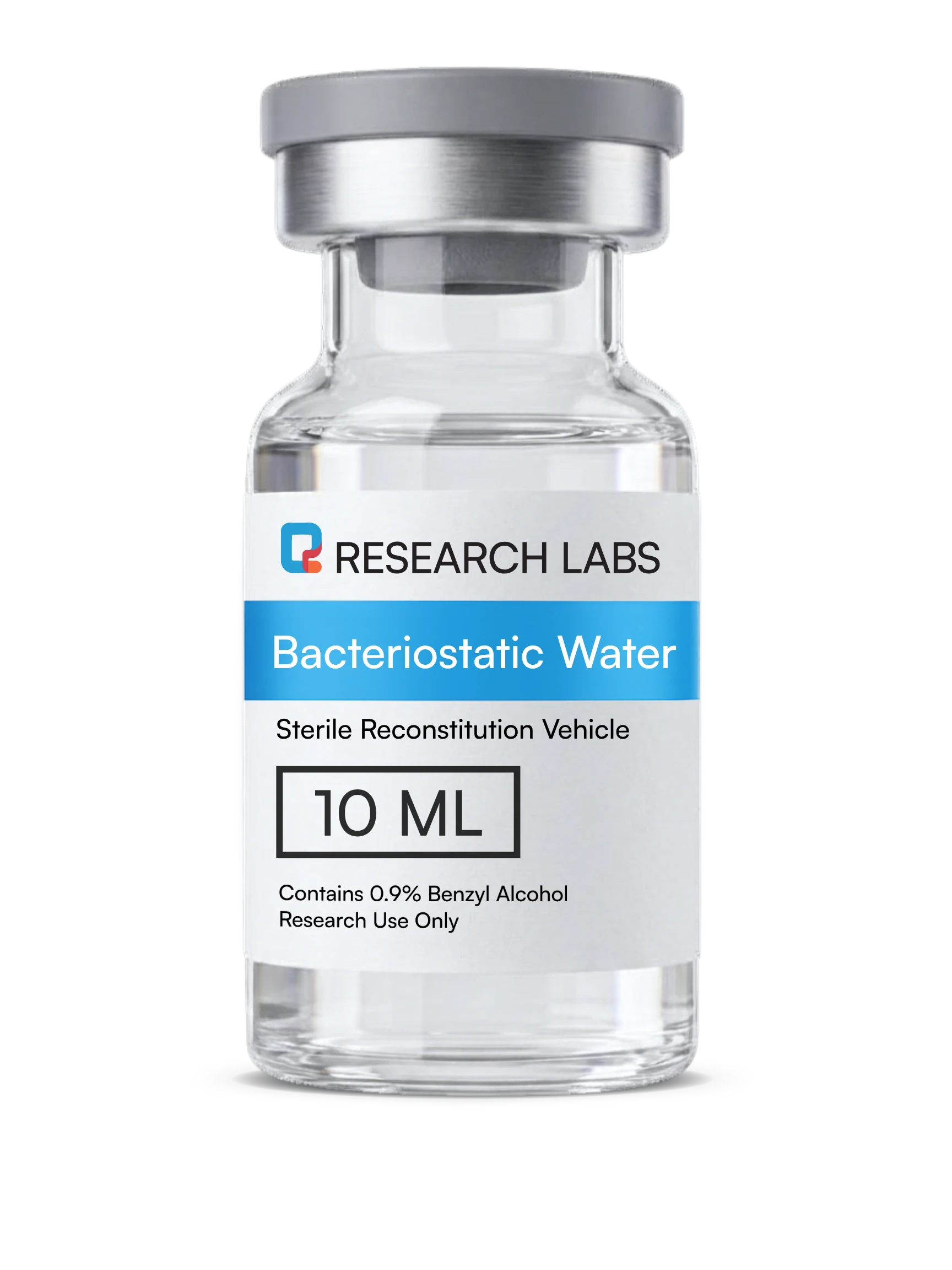 $14.99 — or subscribe and save 10%
Bacteriostatic Water
GH / Neuro / Misc ResearchThis product has multiple variants. The options may be chosen on the product page View Details -
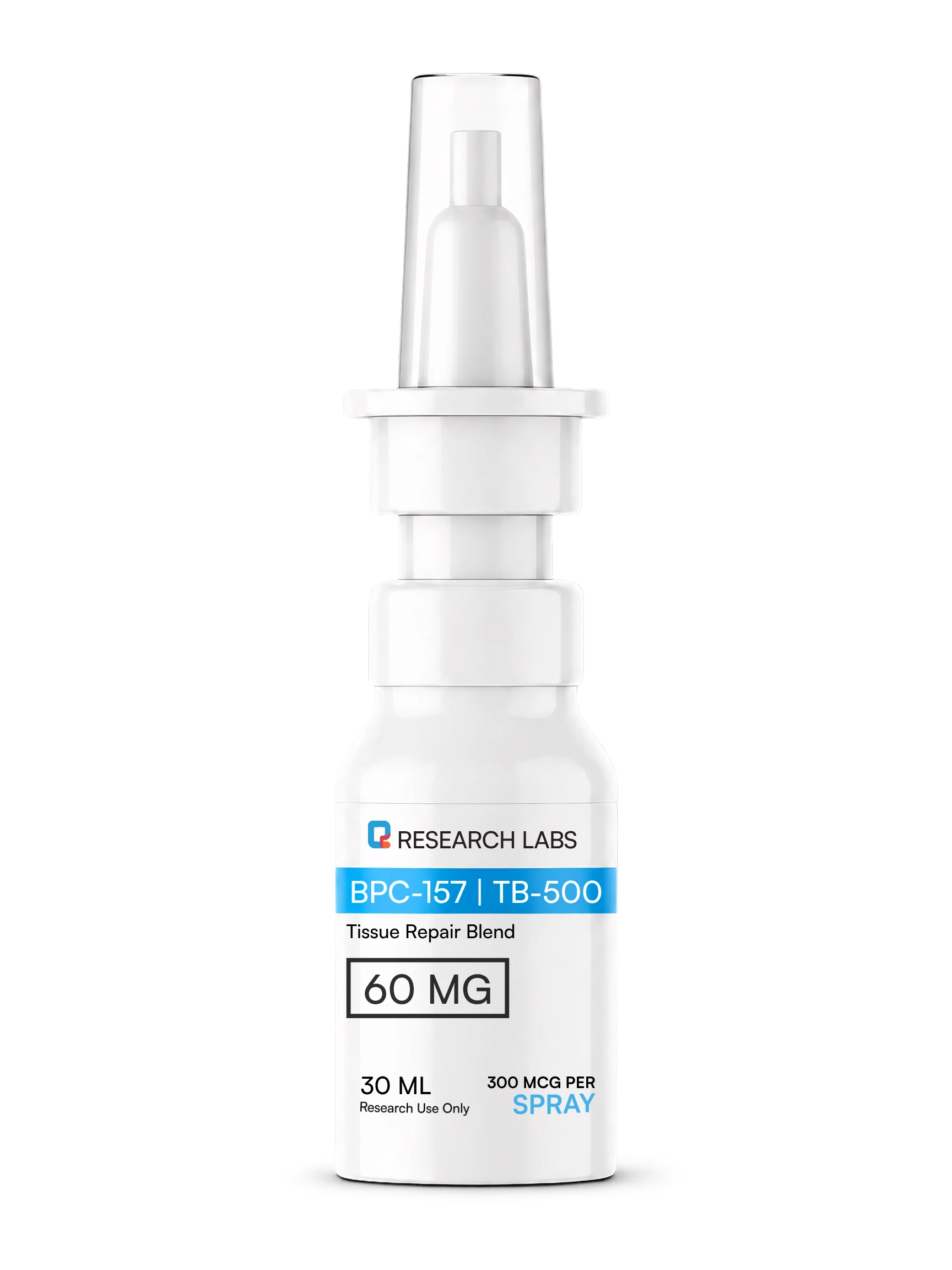 $109.99 — or subscribe and save 10%
BPC-157 (Spray)
Regenerative ResearchThis product has multiple variants. The options may be chosen on the product page View Details -
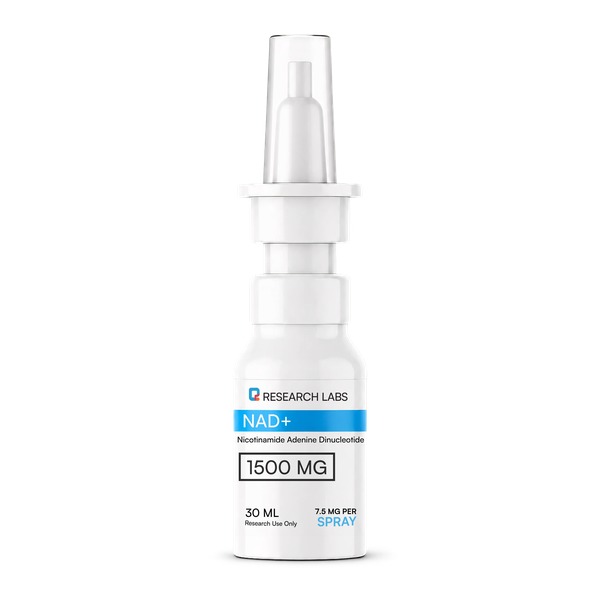
NAD+ (Spray)
GH / Neuro / Misc ResearchView Details -
 $124.99 — or subscribe and save 10%
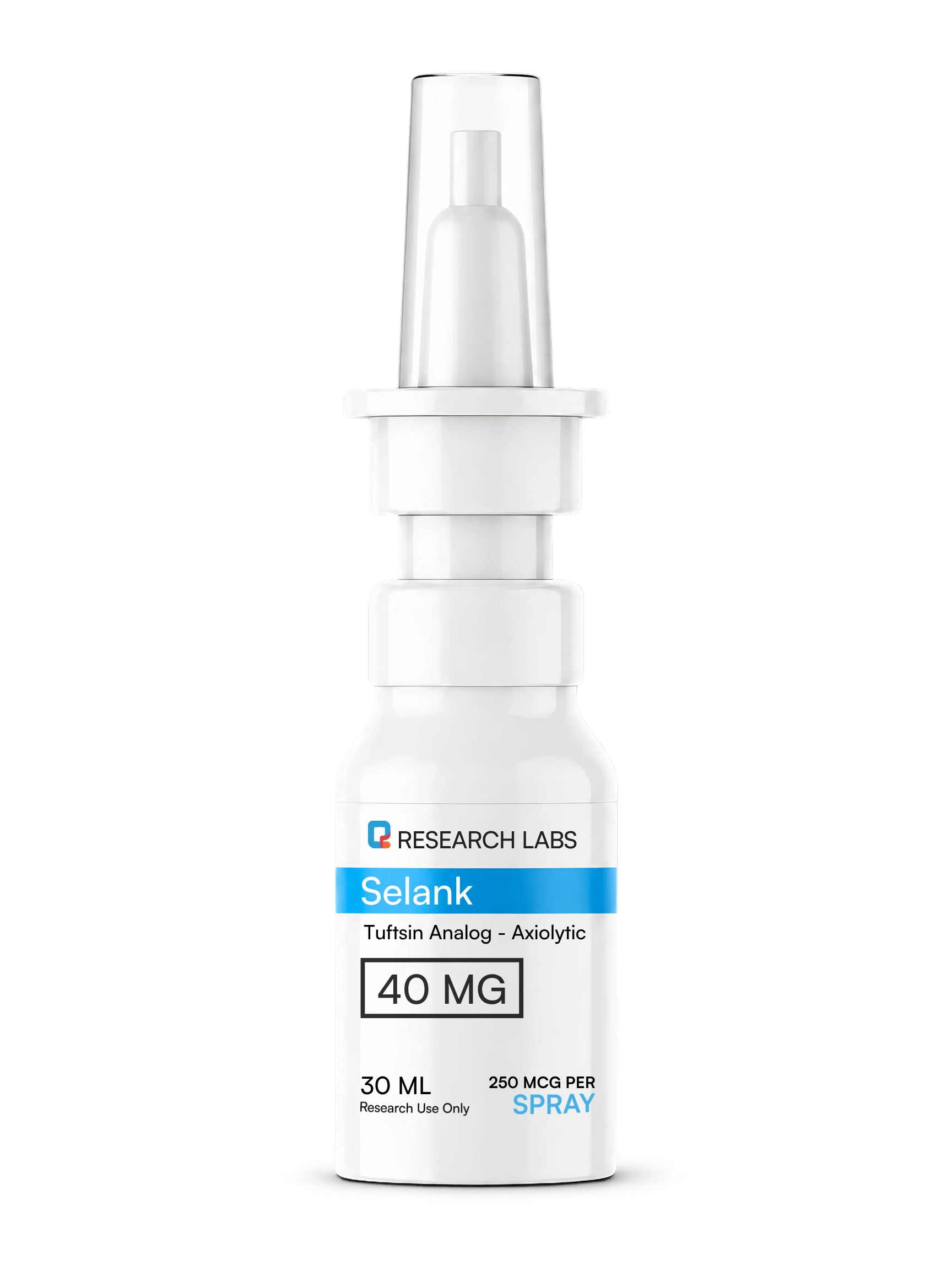
Selank (Spray)
GH / Neuro / Misc ResearchThis product has multiple variants. The options may be chosen on the product page View Details -
 $124.99 — or subscribe and save 10%
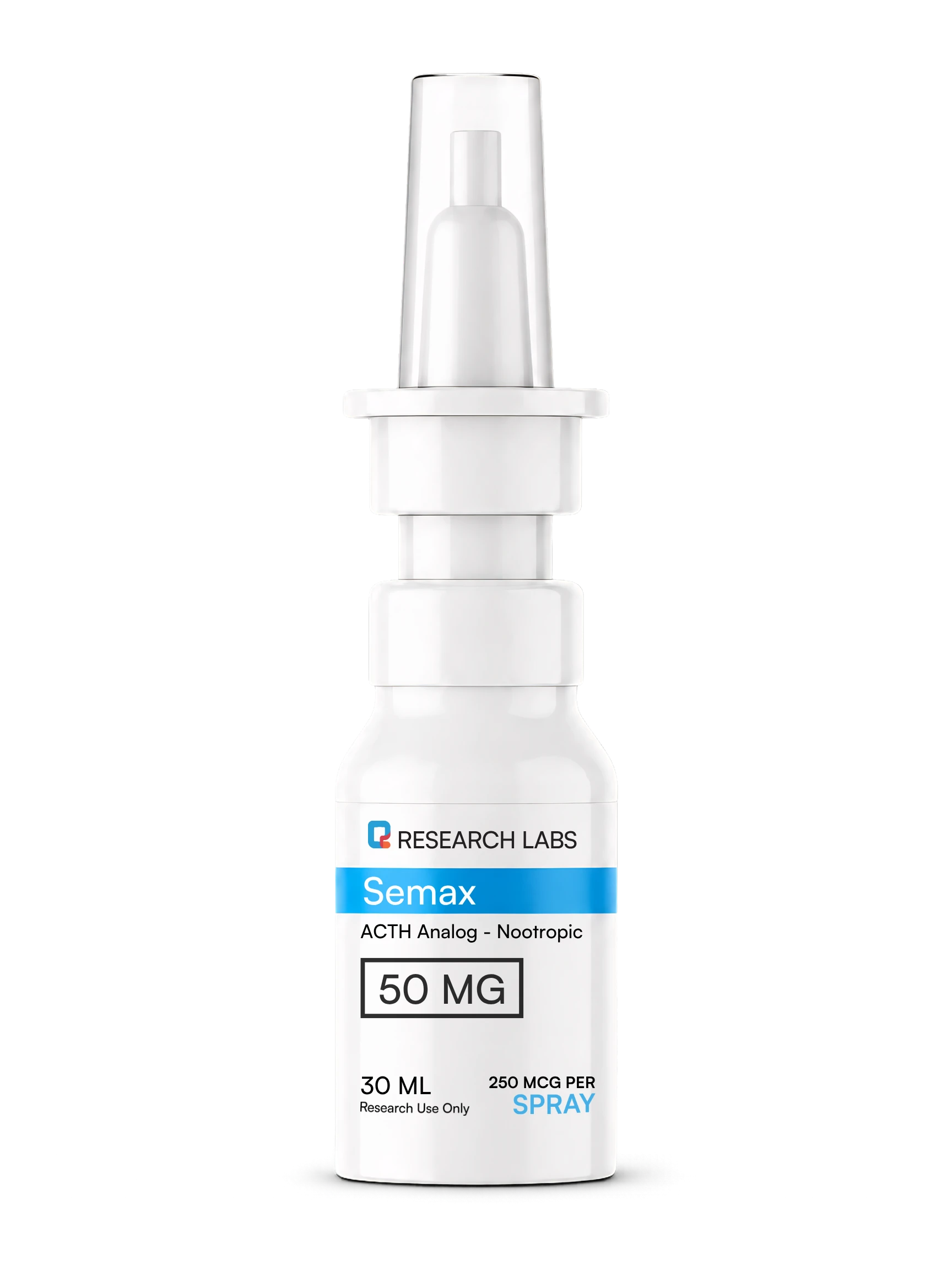
Semax (Spray)
GH / Neuro / Misc ResearchThis product has multiple variants. The options may be chosen on the product page View Details
Popular Product
Popular Product
Popular Product
Popular Product
Popular Product
Description
GLP-3 (RT) is a triple-agonist peptide simultaneously activating GLP-1, GIP, and glucagon receptors. Early preclinical data show pronounced metabolic endpoint changes at higher doses. The glucagon component adds thermogenic signaling and hepatic lipid oxidation absent from dual-agonists.Chemical Information
CAS Number
2381089-83-2
Purity
99%+ HPLC Verified
Molecular Formula
C221H342N46O68
Molar Mass
4731.3263 g/mol
Form Factor
Lyophilized Powder
Synonyms
Frequently Asked Questions
No FAQs for GLP-3 (RT).
Storage Conditions
Unreconstituted
Store at -20°C to 4°C (freezer or refrigerator). Stable for 24+ months.
Reconstituted
Refrigerate at 2–8°C. Use within 30 days for optimal stability.
Avoid
Repeated freeze-thaw cycles, direct sunlight, and temperatures above 25°C.
Safety & Compliance
- Wear nitrile gloves and safety goggles when handling research compounds.
- Work in a clean, controlled environment (laminar flow hood recommended).
- Dispose of sharps and used materials in approved biohazard containers.
- This product is for laboratory research use only (RUO) — not for human or veterinary use.
Quality Assurance Standards
Each production lot is subjected to rigorous analytical evaluation to meet pharmaceutical-grade specifications. Full testing results and procedural documentation are furnished through the accompanying Certificate of Analysis (COA) with every shipment.
Certificate of Analysis
Latest COA for GLP-3 (RT) — independently tested via HPLC and Mass Spectrometry.
Testing Methodology
Every batch undergoes a multi-stage analytical pipeline before release. Results are compiled into the Certificate of Analysis (COA) included with each order.
- • HPLC — High-Performance Liquid Chromatography confirms peptide purity ≥98%.
- • Mass Spectrometry — Validates molecular identity and correct sequence.
- • Endotoxin (LAL) — Limulus Amebocyte Lysate assay ensures endotoxin levels are within safe limits.
- • Sterility — Microbial contamination testing per USP standards.
Learn More About Peptides
Explore our research library covering purity, synthesis, storage, solubility, and more.
Research Database
Browse peer-reviewed studies, clinical trials, and scientific sources behind our peptide resources.